Eight pullets, a decent coop, and basic gear will run most first-timers somewhere between $700 and $1,300 before the first egg lands in a carton. After that, expect to spend roughly $45 to $55 a month on a small flock of eight when you add up feed, bedding, and the small extras like oyster shell and treats - rising to $60 to $90 if you factor in occasional vet visits, a replacement bird, or a cold snap that drives feed consumption up sharply. Those numbers sound manageable until you work out what each dozen eggs actually costs you - and that honest math is what this article is for.
Below you will find a line-by-line startup budget, a realistic monthly cost table for different flock sizes, and a cost-per-dozen calculation built from extension-service data. There is also a clear answer to the question every aspiring keeper eventually asks: is it worth it?
Startup costs: what you need before day one
Startup spending splits cleanly into three buckets: the coop and run, the birds themselves, and the small-flock gear. None of those buckets is fixed - a handy builder who salvages lumber will spend far less than someone buying a factory-built kit - but the ranges below reflect what most backyard keepers actually pay.
The coop and run
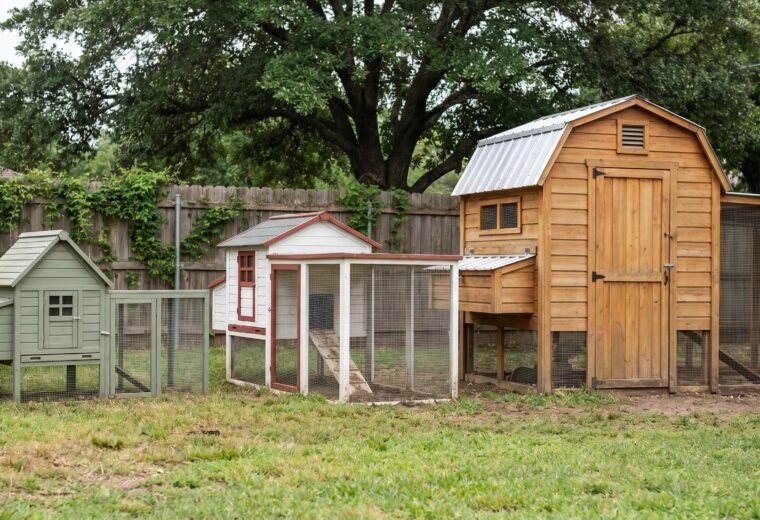
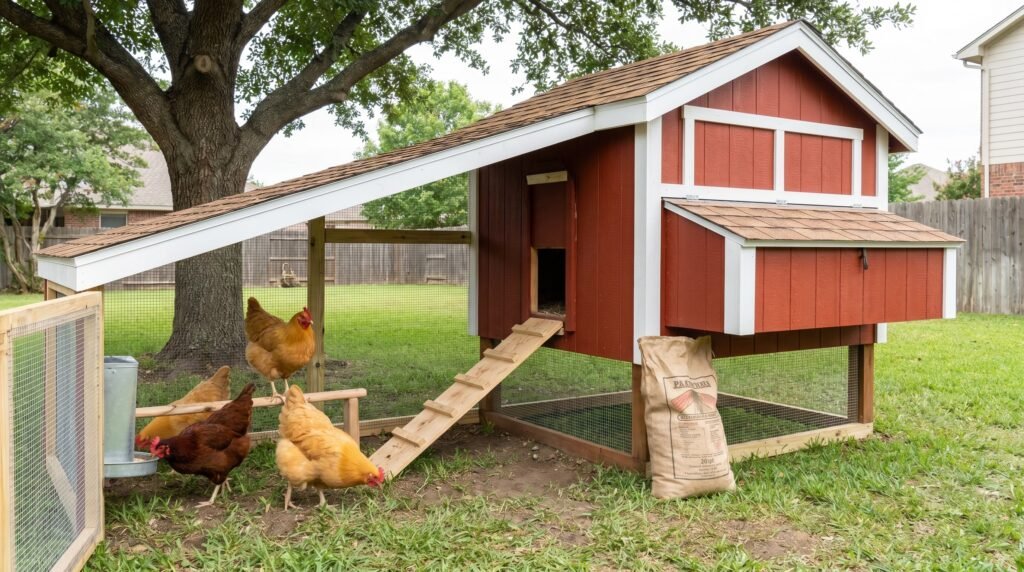
A solid coop is your single largest upfront expense, and the gap between cheap and adequate is real. Flimsy prefab kits rated for "up to 12 chickens" routinely fail at six; the space claims ignore the per-bird minimums that extension services recommend. For standard-size laying hens, plan on roughly 3 to 4 square feet of enclosed coop space per bird, plus 8 to 10 square feet of run space per bird outside. Extension poultry specialists note that the allowance inside the coop can range from 0.75 square feet per bird for the smallest bantams up to 3.5 square feet for the heaviest breeds, so match the spec to your actual birds.
For a flock of six to eight standard hens, a functional setup costs:
- Small DIY coop (material cost, basic tools owned): $200 to $600
- Quality prefab coop with integrated run: $500 to $1,200
- Custom-built walk-in coop: $1,500 and up
Predator-proofing adds to that number. Hardware cloth (welded wire, 1/2-inch mesh) runs about $0.50 to $1.00 per square foot, and you need enough to cover every vent, the run walls, and an apron or buried skirt along the base to stop diggers. Picking a coop that passes the predator-proofing test is its own topic - the best chicken coops review breaks down what separates a secure structure from an expensive raccoon feeder.
The birds
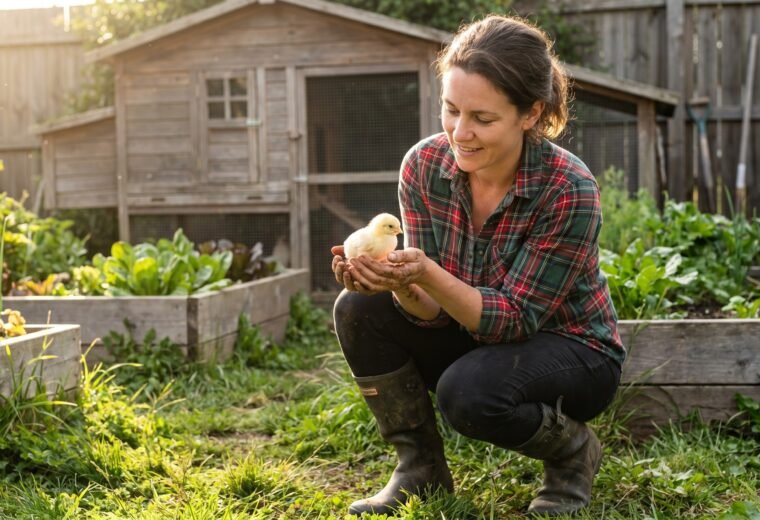
Day-old pullet chicks from a hatchery are the most common starting point. Hoover's Hatchery, one of the major US suppliers, lists female Rhode Island Red chicks at $6.35 each - a breed that produces around 265 large brown eggs per year at peak. Popular production breeds (ISA Brown, Black Sex-Link, Buff Orpington) run in a similar range, typically $4 to $8 per sexed pullet chick depending on breed, hatchery, and time of year. For straight-run assortments - unsexed, mixed breeds - prices drop to $2 to $5 per chick, though you may hatch roosters you cannot keep.
Started pullets, birds that are 15 to 22 weeks old and nearly ready to lay, cost $25 to $45 each. They eliminate the brooder phase and cut the wait for eggs, but the higher per-bird price adds up fast for a flock of eight.
Brooder supplies (chicks only)
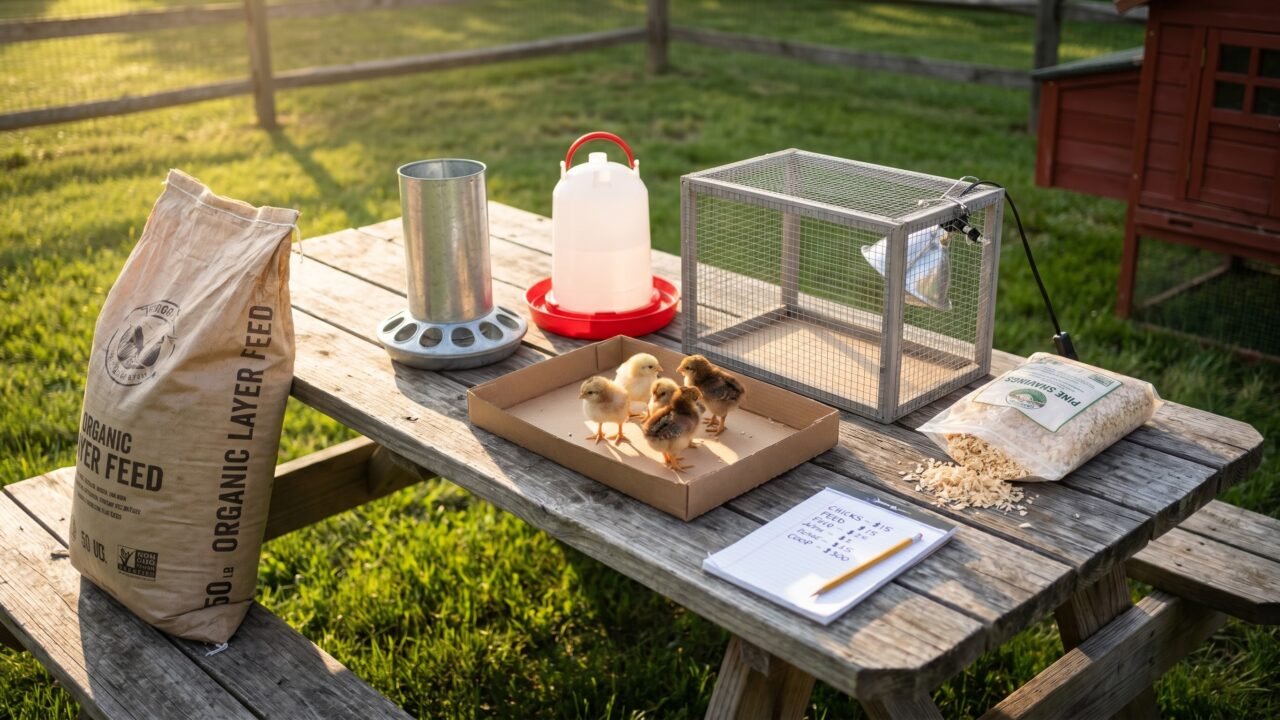
If you start with day-old chicks, you need a brooder setup for the first six to eight weeks. Chicks need roughly 95°F in week one, dropping about 5°F per week until they are fully feathered and can handle outdoor temperatures. A heat plate is safer and cheaper to run than a heat lamp (and carries far less fire risk), but either works. Budget:
- Brooder box or large plastic tote (DIY): $0 to $30
- Heat plate (6-8 chick capacity): $40 to $70
- Chick waterer and feeder: $10 to $25
- Chick starter feed, first bag: $15 to $20
- Pine shavings bedding, first bale: $8 to $12
Total brooder phase: roughly $75 to $160 for a batch of eight chicks.
Coop gear
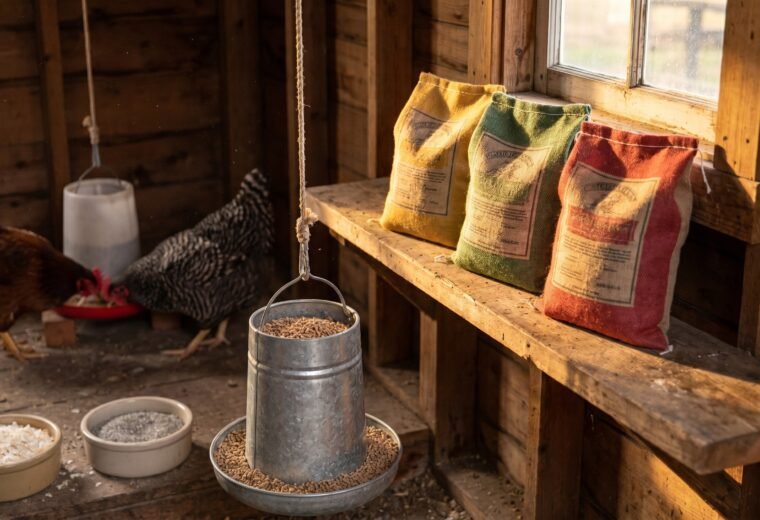
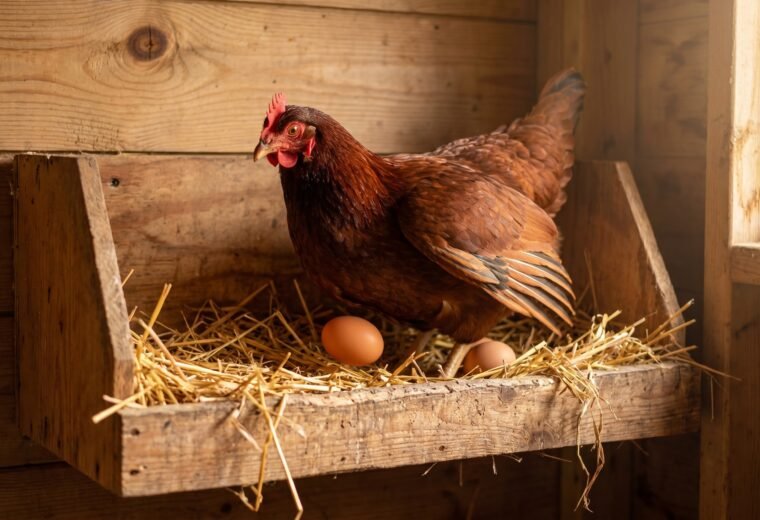
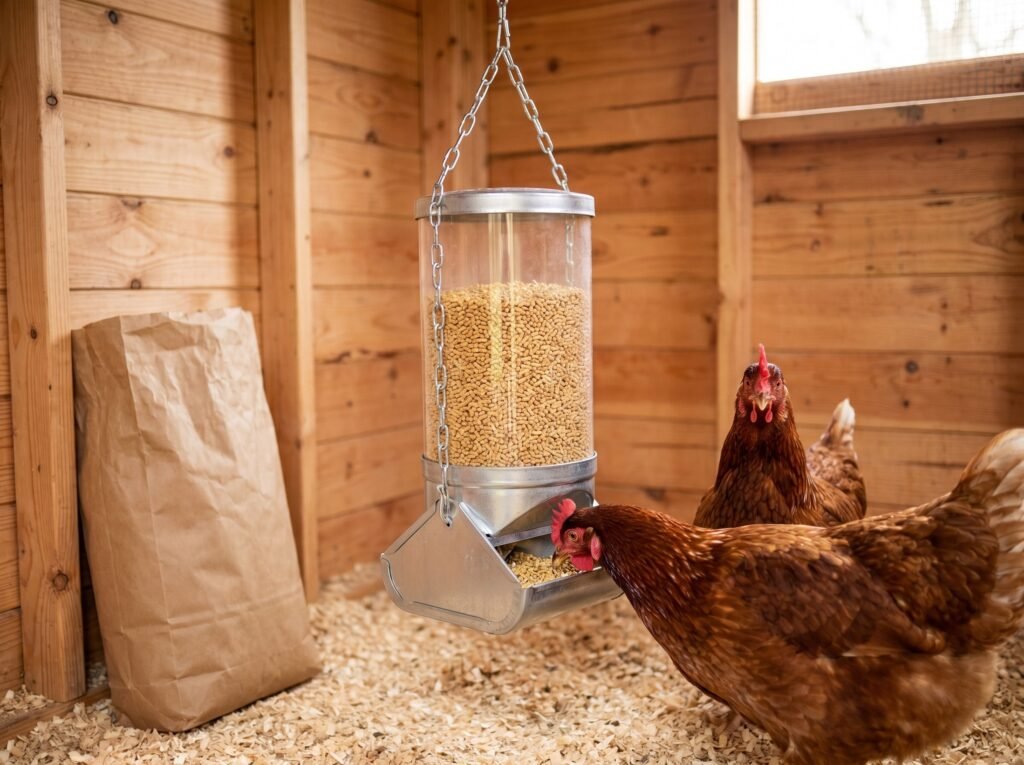
Once the birds move outside, you need feeders, waterers, and a supply of bedding. A gravity feeder and a basic waterer together run $25 to $60. Add a larger waterer with a base heater for winters that drop below freezing: heated water systems cost $30 to $80. Nest boxes - plan on one box per three to four hens, roughly 12 inches square each - are often built into the coop; if yours are separate, add $20 to $60.
Startup cost summary
| Item | Low end | High end | Notes |
|---|---|---|---|
| Coop + run (prefab, 4-6 hens) | $500 | $1,200 | DIY drops to $200-$600 |
| 6 pullet chicks (sexed, quality breed) | $24 | $48 | ~$4-8 each |
| Brooder supplies | $75 | $160 | Skip if buying started pullets |
| Feeder + waterer (adult) | $25 | $60 | Heated waterer adds $30-$80 |
| First bag of chick starter or layer feed | $15 | $22 | 50 lb bag |
| First bedding supply | $10 | $20 | 2 bales pine shavings |
| Hardware cloth for predator-proofing | $30 | $100 | Varies by run size |
| Typical total, 6 hens | $680 | $1,610 | Wide range; DIY skills matter most |
If you are just starting out, the raising chickens for beginners article picks up here - zoning check, chick sourcing, setup sequence, and what to expect the day the first egg arrives.
Monthly costs: feed, bedding, and the small stuff
Feed is the engine of ongoing expense. The University of Maryland Extension puts it plainly: feed represents about 70 percent of the cost of raising a chicken. Everything else - bedding, supplements, the occasional bag of scratch - fills in the remaining 30 percent.
Feed
A laying hen eats between 100 and 150 grams of feed per day, or roughly 0.25 pounds, according to the Alabama Cooperative Extension System. At that rate, six hens consume about 45 pounds of feed per month. A 50-pound bag of conventional layer pellets (16 to 18 percent protein) costs approximately $18 to $25 at farm stores, making monthly feed cost for a six-hen flock around $16 to $23 in feed alone - call it $20 as a working average. Organic feed runs roughly double that per bag.
Layer feed should contain at least 16 percent crude protein, with 18 percent being the target the Alabama extension recommends for good production. Keep oyster shell in a separate dish at all times so hens can self-regulate calcium intake; a small bag costs $3 to $5 and lasts weeks. If your birds do not free-range or eat whole grains, offer insoluble grit as well. For a deeper look at what goes into the feed bag and why it matters, see our complete guide to chicken feed.
Bedding
Pine shavings remain the most popular coop bedding: absorbent, affordable, and widely available. A compressed bale (which expands to roughly 8 cubic feet) costs $6 to $10 and, for a small four-by-six coop, lasts two to four weeks depending on your management style and how often you add fresh material. Budget $10 to $20 per month for bedding on a six-hen setup.
Monthly cost by flock size
The table below uses the per-hen feed consumption figure from Alabama Extension (0.25 lb/day, roughly 7.5 lb/month per hen) and conventional feed at $0.40 per pound ($20/50 lb bag) as the base. The "extras" column covers oyster shell, grit, and a small treat allowance.
| Flock size | Feed (conventional) | Bedding | Extras | Total/month (est.) |
|---|---|---|---|---|
| 4 hens | $12 | $8 | $5 | ~$25 |
| 6 hens | $18 | $12 | $7 | ~$37 |
| 10 hens | $30 | $18 | $10 | ~$58 |
| 6 hens (organic feed) | $36 | $12 | $7 | ~$55 |
These figures assume healthy birds eating normally in moderate weather. Cold snaps push feed consumption up 10 to 20 percent as birds burn more calories staying warm. Molt - the annual feather-drop that pauses laying and typically runs eight to twelve weeks in fall - does not reduce feed consumption; if anything, a higher-protein diet helps feathers regrow faster.
The cost-per-dozen calculation (and where it gets uncomfortable)
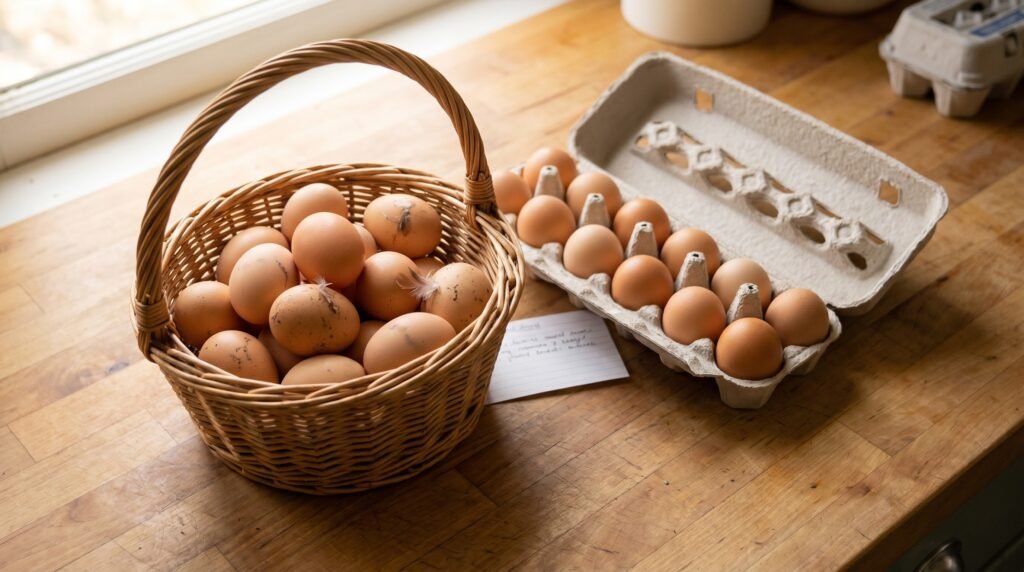
This is where the math gets honest. University of Florida IFAS Extension researchers calculated the cost of producing a dozen eggs from a well-managed backyard flock using only feed costs - no coop, no equipment, no labor - and landed at $6.11 per dozen. That is feed alone. When you add even a conservative portion of your startup costs and monthly bedding bill, the number climbs.
Here is a worked example for six hens over their first laying year:
| Cost category | Amount | Notes |
|---|---|---|
| Startup (amortized, yr 1 of 5) | $220 | $1,100 total / 5 years |
| Feed (12 months x $18/mo) | $216 | Conventional, 6 hens |
| Bedding (12 months x $12/mo) | $144 | Pine shavings |
| Supplements + misc (12 months x $7) | $84 | Oyster shell, grit, treats |
| Total year-1 cost | $664 |
Now the egg side. The University of Florida extension estimates 17 to 20 dozen eggs per hen per year from a well-managed flock. Use 18 dozen as a realistic middle figure for six hens at peak: 6 hens x 18 dozen = 108 dozen in year one. That works out to $664 / 108 dozen = about $6.15 per dozen in year one - already above what most grocery stores charge for mid-tier eggs most of the time, though below premium free-range brands when those hit $7 to $9 a carton.
In years two through five, once the startup cost is fully amortized, the math improves: feed + bedding + supplements alone run roughly $37/month x 12 = $444 per year. At the same 108-dozen output, that works out to about $4.11 per dozen. Production drops roughly 10 to 20 percent each year after the first peak laying season, so real-world year-four costs will be higher per dozen as egg numbers fall.
The University of Florida conclusion is worth reading straight: raising backyard chickens "is unlikely to offer a tremendous cost savings compared to purchasing eggs at a grocery store, even with today's high retail prices" once all expenses are counted. That is not an argument against keeping chickens. It is simply the accurate baseline for making the decision with your eyes open.
Where people blow the budget (and how to avoid it)
The single most common budget mistake is underbuilding the coop and then replacing it. A coop that costs $150 but fails at predator pressure - raccoons, weasels, a neighborhood dog - costs you the birds and then the coop anyway. Spend the money on good hardware cloth and solid latches the first time. Raccoons can open simple hook latches; a carabiner or a two-step latch stops them.
The second-most-common error is buying the minimum number of hens and then catching chicken math: the compulsion to add more birds because six felt lonely. Each new hen you add resets the math. Keep a firm flock-size decision before you build, or build with intentional room to expand.
Heat lamps in the brooder and coop deserve a note here too. They are a well-documented leading cause of coop fires per extension safety bulletins from programs including University of New Hampshire Extension and Michigan State Extension - a knocked lamp over dry shavings is a real and documented hazard. A quality heat plate for chicks costs $40 to $70 and is far safer. Adult chickens almost never need supplemental heat; they tolerate cold well if the coop is dry and has good ventilation. Spending money on a heat source adults do not need is a common and avoidable cost.
Feed waste is a slow budget leak that adds up. A poorly designed open feeder scatters grain across the coop floor, where it rots or attracts rodents. A no-waste treadle or gravity tube feeder costs a bit more upfront but pays for itself within a few months in feed saved.
Is it worth it? An honest answer
It depends on what you are buying. If the goal is the cheapest possible eggs, backyard chickens will not deliver that in most years. The economics simply do not pencil out against a $3 carton from a discount grocery chain, especially in year one.
What backyard chickens do deliver - and what their keepers consistently value most - is control over how the birds live, eggs that are genuinely fresh (a hen lays roughly one egg per 24 to 26 hours; yours go from nest to kitchen the same morning), and the compound benefit of a deeply satisfying hobby that also feeds you. If you have young kids, the educational value of caring for animals every single day is real and hard to price.
The keepers who find the best financial outcome tend to:
- Keep six to ten hens, where per-bird fixed costs thin out without overwhelming the keeper's time
- Build or buy a coop that lasts 10 to 15 years, amortizing the upfront cost over a long useful life
- Choose high-production breeds suited to your climate - ISA Browns and Rhode Island Reds perform well in most US regions including cold winters; in severe cold climates, favor dual-purpose breeds known specifically for cold hardiness
- Manage feed waste tightly and supplement modestly with kitchen scraps and supervised foraging
- Not count labor - the daily 10 to 15 minutes of care - as a pure cost, because for most keepers that time is the point
Run the numbers for your situation. If the $4 to $6 per dozen in years two through four beats what you can buy locally for comparable quality, and you enjoy the keeping, the math works. If not, you still get the chickens - you just go in knowing eggs are the side effect, not the business case.