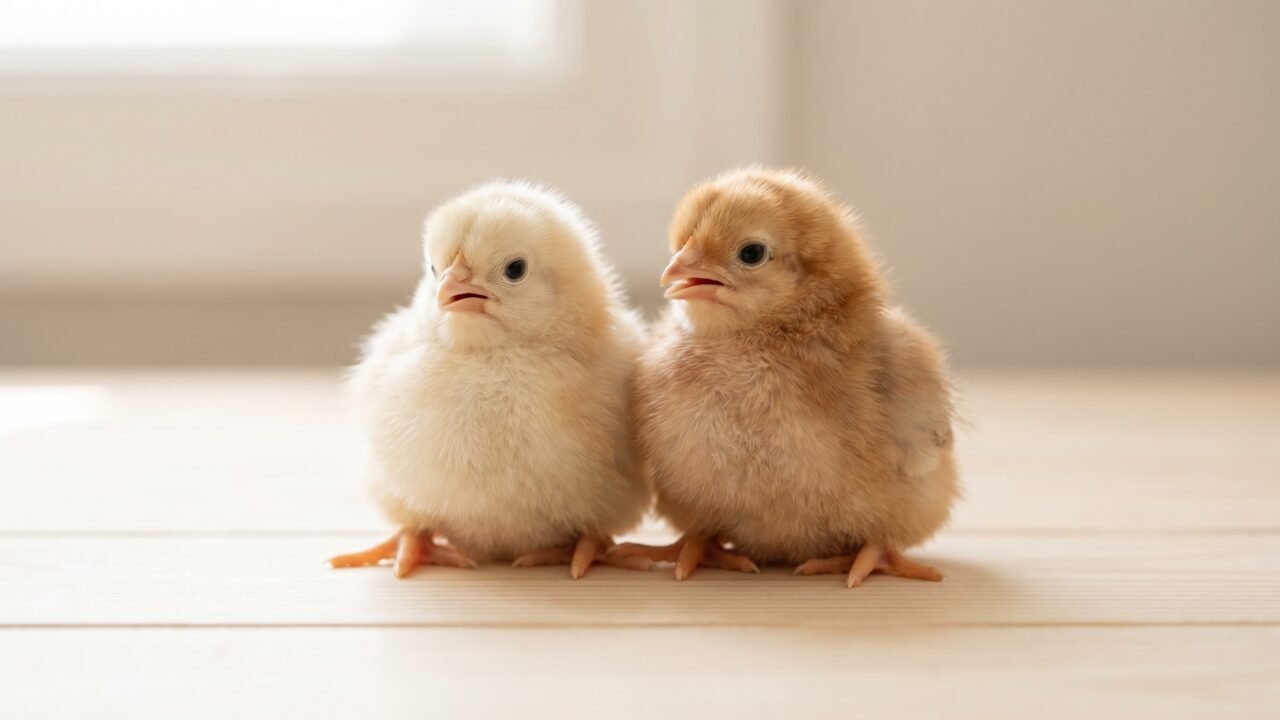
Of the questions people ask before buying chicks, "how do I know which ones are hens?" is right at the top - and the answer genuinely depends on which method was used and which breed you're holding. Two reliable methods deliver a day-one answer without specialized training. One requires a professional at a commercial hatchery. One is more honest: you may not know for weeks. Knowing the difference saves a lot of guesswork and, more importantly, prevents the surprise of crowing at 6 a.m. from a bird you were certain was a layer.
Vent sexing: the gold standard that isn't for backyard keepers
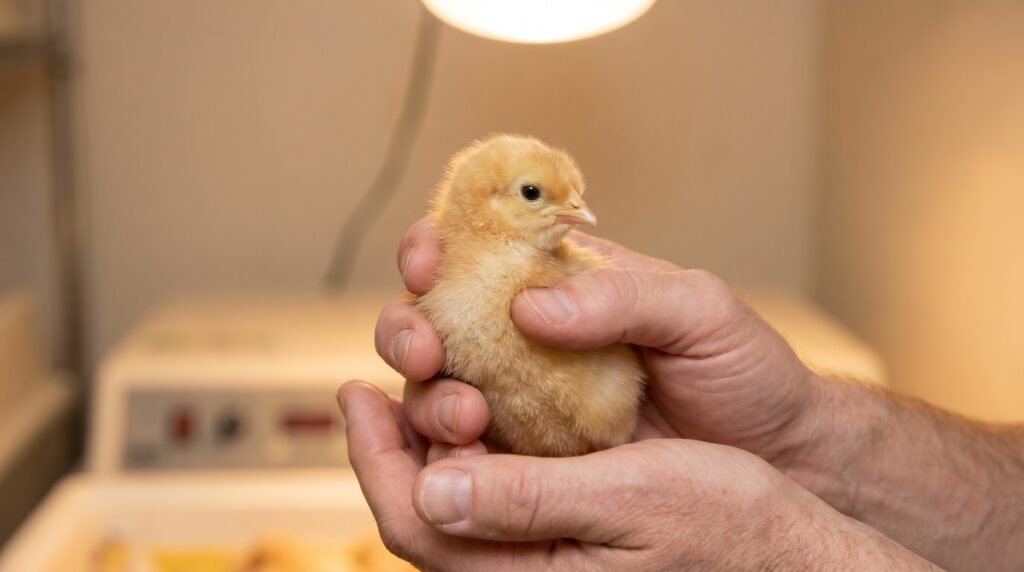
Vent sexing is how large commercial hatcheries produce "sexed" pullet orders. A trained examiner holds the day-old chick, clears the vent, and reads the shape of the rudimentary reproductive organ to determine sex. It sounds straightforward, but there are more than 15 distinct organ shapes to distinguish, and the margin for error is significant until a sexer has logged thousands of hours of practice. Vent sexing was developed in Japan and arrived in North American hatcheries during the 1930s, and in the decades since, very few schools have remained that still teach it.
Qualified sexers at commercial hatcheries achieve around 97% accuracy. For the backyard keeper, that figure is irrelevant: the training is so demanding that, as Mississippi State University Extension puts it, "the average poultry owner finds it unjustifiable." When you order sexed pullets from a reputable hatchery, the vent sexing was done for you - but even then, expect up to 10% of the opposite sex slipping through, because no one is perfect at speed.
What this means practically: if you order 10 sexed pullets, you might realistically end up with one or two cockerels in the batch. Plan for it. Check your local ordinances on roosters before ordering. For a deeper look at everything involved in those first weeks, our week-by-week chick guide covers brooder setup, feed transitions, and moving birds outside.
Feather sexing: a narrow window and a breed condition
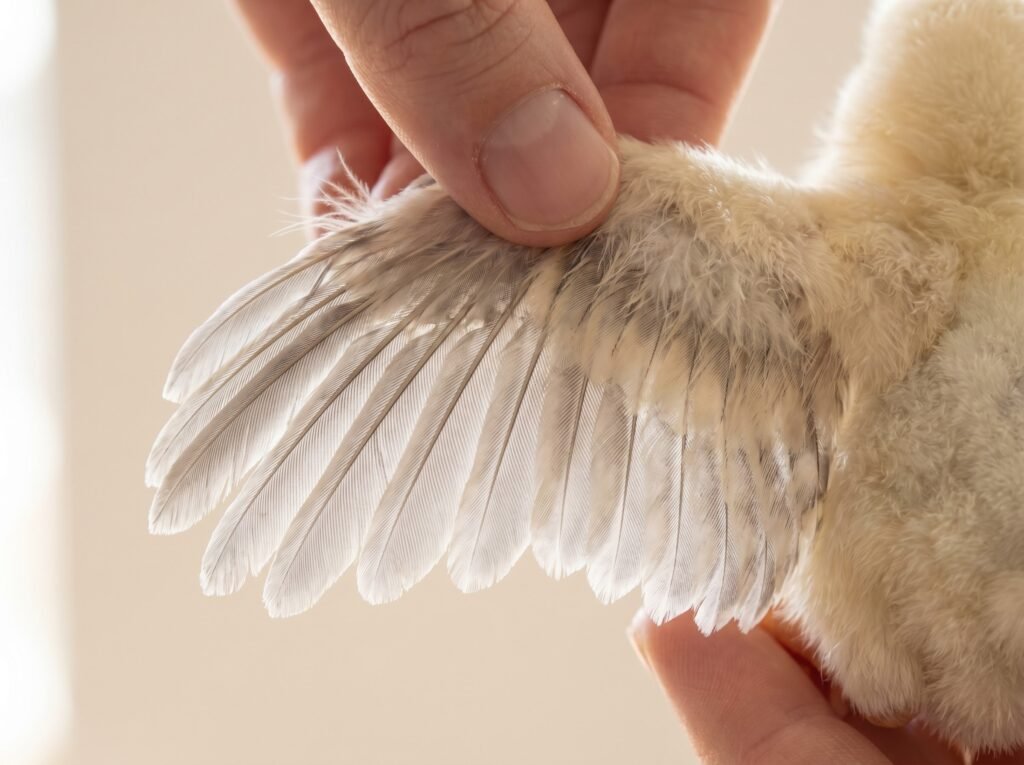
Wing-feather sexing is far easier to learn than vent sexing - but it only works on chicks from purpose-bred crosses, and the window closes within one to three days of hatch.
In chicks carrying the right genetics, females grow primary wing feathers that are noticeably longer than the adjacent covert feathers. Males' covert feathers are as long as, or longer than, the primary feathers, creating a uniform, blunt-looking wing tip. Spread the wing gently and compare the two rows. The difference is visible and takes minutes to learn.
The catch: slow-feathering in chickens is caused by a gene carried on the Z chromosome (in birds, females are ZW and males are ZZ). For wing-feather sexing to produce reliably different patterns between the sexes, the breeding cross must be specifically set up using a rapid-feathering male and a slow-feathering female. "Most strains (breeds) of chickens do not have these feather sexing characteristics," as poultry.extension.org confirms, "and feathering of both sexes appear identical." If your breed wasn't specifically selected for this trait, feather length tells you nothing.
Some hatcheries use wing-feather sexing internally as a fast, low-cost alternative to vent sexing on eligible crosses. If you're incubating your own eggs from a standard heritage or production breed, this method won't apply unless you've specifically set up a feather sex-link cross.
Sex-links and auto-sexing breeds: the most practical options at hatch
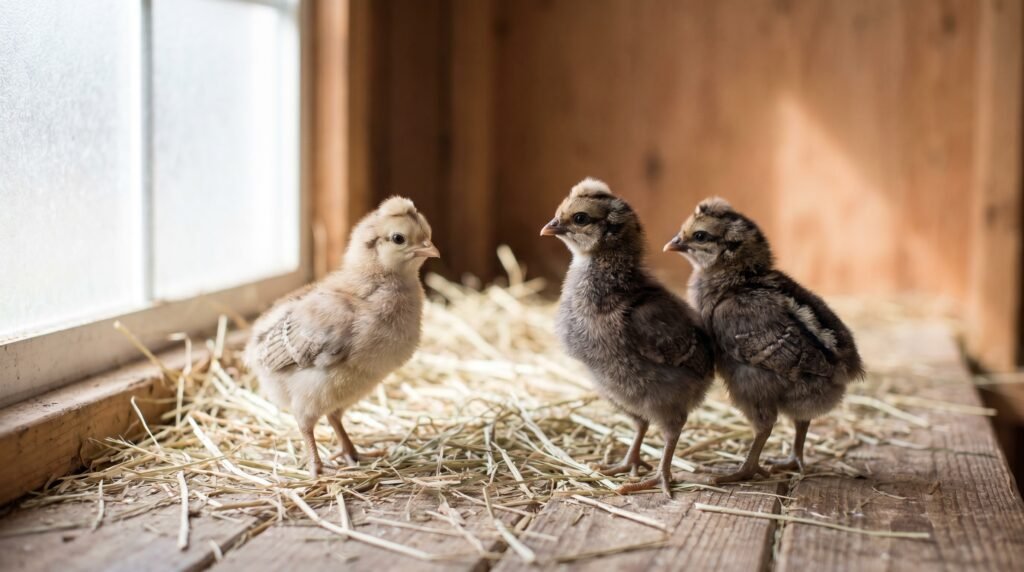
For backyard keepers who want to know the sex of their chicks on day one without specialized training, sex-link crosses and auto-sexing breeds are the practical answer. The genetics do the work for you.
Color sex-links
A sex-link cross is a specific pairing of two breeds where the offspring's down color differs between males and females at hatch. The color difference is sex-linked genetically, not a coincidence - it's built into the cross. Common examples:
| Cross type | Example breeds | Males at hatch | Females at hatch | Egg color |
|---|---|---|---|---|
| Black sex-link | Barred Rock hen x Rhode Island Red cockerel | Black down with white dot on head | Solid black down, no head spot | Brown |
| Red sex-link (Golden Comet) | White Rock hen x New Hampshire male | Pale/white down | Reddish/buff down | Brown |
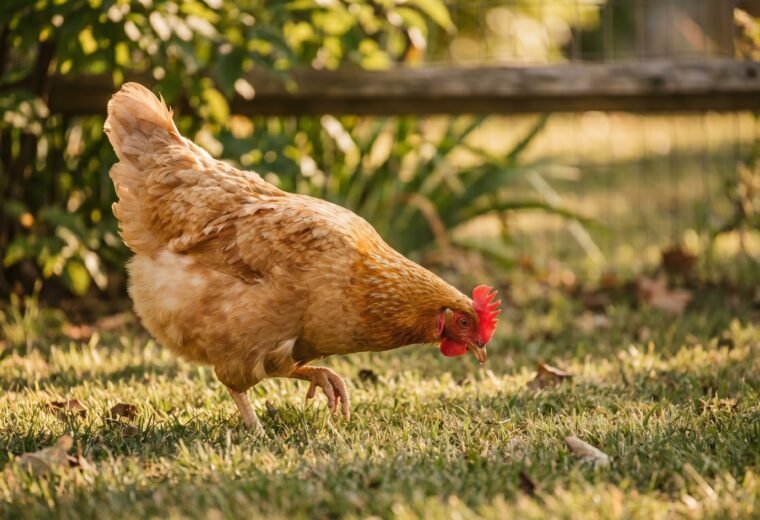
Because the color difference is genetic rather than a learned skill, anyone can sex these chicks accurately on day one - no training required. Black sex-link males carry a white head spot; females don't. Red sex-link females show reddish or buff down while the males are lighter. The Golden Comet is one of the most popular red sex-links available, producing around 260 large brown eggs per year as a layer.
One important note: sex-link crosses only work in the first generation (F1). If you hatch eggs from a Golden Comet hen, the chicks will NOT be reliably color-sexable at hatch. The predictable color split requires the original specific cross to be repeated.
Auto-sexing breeds
Auto-sexing breeds differ from sex-links in a key way: they breed true. Generation after generation, the chicks can be sexed at day one by down color, because the trait is stabilized within the pure breed rather than depending on a one-way cross.
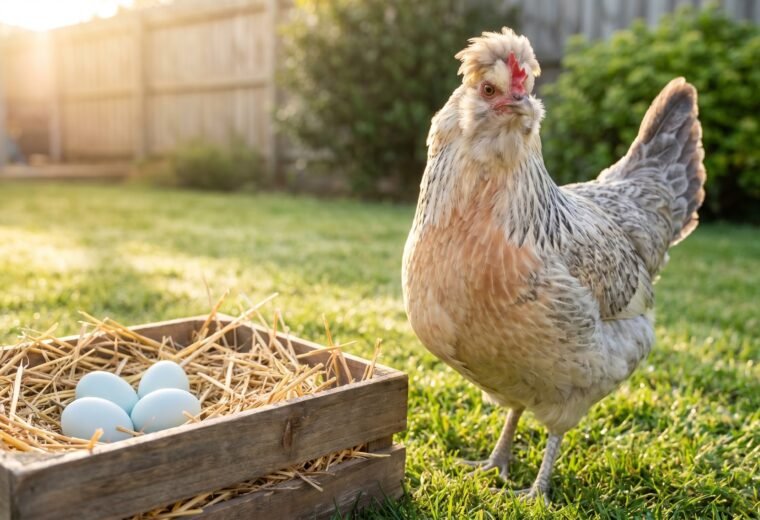
The Cream Legbar is the best-known auto-sexing breed available to backyard keepers. One major hatchery's breed guidance notes that auto-sexing means generation after generation can be sexed by down colour at hatch. Cream Legbar females hatch with darker, more distinctly striped down, while males are noticeably paler and often have a lighter head stripe. Legbars are also blue egg layers and solid producers, which makes them a two-feature bird for people who want easy sexing and colored eggs.
Other auto-sexing breeds exist (Bielefelder, Niederrheiner, Welbar), though availability in North America varies. If maintaining a self-sustaining flock where you can sex your own hatch is a priority, an auto-sexing breed is worth the extra research.
The Barred Rock head spot - a partial case
Purebred Barred Plymouth Rock chicks can sometimes be sexed by the size of the white spot on the top of the head. Males typically show a larger, more diffuse spot; females show a smaller, narrower one. Poultry extension sources put the accuracy of this method at around 80%. Useful if you're hatching Barred Rocks and want a rough first-pass sort, but not reliable enough to stake your whole plan on.
Straight-run: what the label actually means
When a hatchery lists chicks as "straight run," they have not been sexed. The birds ship as hatched - unsorted, with no attempt to separate males from females. The natural hatch ratio lands close to 50/50, so across a typical straight-run order of any real size, roughly half will be cockerels. Straight-run chicks usually cost less than sexed pullets, which reflects the work (and the cost of trained staff) that goes into sorting.
Buying straight-run makes sense in a few scenarios: if you're raising dual-purpose birds and plan to process the cockerels for meat, if you want fertilized eggs and need a rooster anyway, or if you're getting an auto-sexing breed where you'll do your own sorting at hatch.
For a backyard flock in a no-rooster zone, straight-run is a gamble that often ends in rehoming half your birds. The math is straightforward: 12 straight-run chicks will likely produce 5-7 cockerels. Raising them to 8-12 weeks before finding them homes is a real commitment, and many municipalities don't allow adult roosters even if they allow hens. Know your local rules before you decide. Our guide to raising chicks walks through what you'll need in those first weeks regardless of sex.
When you'll really know: secondary sex characteristics by week
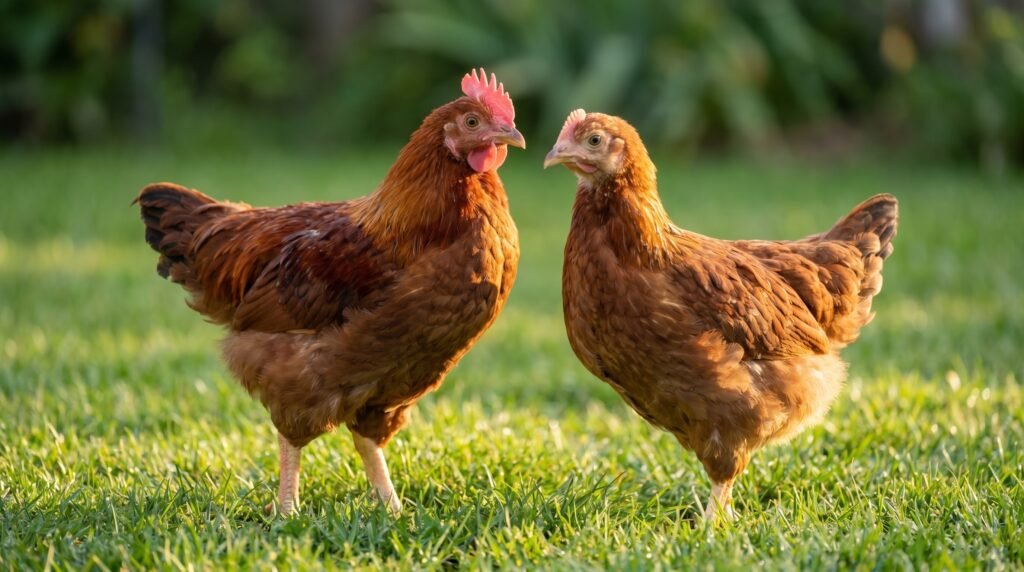
Even with the most careful vent sexing, some individuals are ambiguous at hatch. For straight-run birds or any breed without a reliable day-one method, secondary sex characteristics eventually make things obvious - but "eventually" takes longer than most beginners expect.
| Age | What to look for | Reliability |
|---|---|---|
| 1-3 days (wing-feather breeds only) | Primary vs. covert feather length difference | High (if breed is eligible) |
| Day 1 (sex-links / auto-sexing breeds) | Down color pattern | High (breed-specific) |
| 4-6 weeks | Comb/wattle size, head shape beginning to differ | Moderate - early movers become obvious |
| 8-10 weeks | Larger combs, pointed hackle and saddle feathers in cockerels | Good for most production breeds |
| 12-16 weeks | Sickle tail feathers, attempted crowing, confirmed size difference | Near-certain for all breeds |
Mississippi State Extension notes that secondary characteristic-based sexing "can usually be performed after chicks attain 4 to 6 weeks of age" - but that refers to the earliest obvious movers. In slow-maturing or dense-feathered breeds like Cochins, Silkies, or Easter Eggers, you may genuinely be uncertain until week 12 or beyond. Silkies in particular are famously difficult; their fluffy plumage obscures the feather shape differences that give other breeds away.
The progression in most production breeds: combs begin to pink up and enlarge on cockerels around weeks 4-6, while pullets stay pale and small. By week 8, cockerel hackle feathers start showing pointed tips (pullet hackles are rounded). By weeks 12-16, sickle feathers curve out of the tail, and most cockerels will have attempted a crow - even if it sounds more like a question than a statement.
Putting it together: which method fits your situation
No single method covers every keeper's situation. Here's how to match method to scenario:
| Your situation | Best sexing approach | Expected accuracy |
|---|---|---|
| Buying pullets from a reputable hatchery | Hatchery vent sexing (done for you) | ~90-97% (expect a 1 in 10 miss) |
| Raising sex-link crosses (Golden Comet, Black Star) | Down color at hatch | Near 100% on F1 chicks |
| Hatching Cream Legbars or other auto-sexing breeds | Down color at hatch, repeatable across generations | Near 100% |
| Hatching a purpose-bred feather sex-link cross | Wing-feather length (days 1-3 only) | High when breed is eligible |
| Straight-run heritage breeds | Wait for secondary characteristics | Near-certain by weeks 12-16 |
| Barred Plymouth Rocks (pure) | Head spot at hatch (rough sort only) | ~80% |
If you're building a small backyard flock with a no-rooster rule, the clearest path is buying sexed pullets from a quality hatchery - or choosing sex-link and auto-sexing breeds where your own hatch gives you reliable answers on day one. Straight-run orders from any breed without a built-in color cue mean waiting weeks, which is a real cost in time, feed, and attachment before you know what you have.