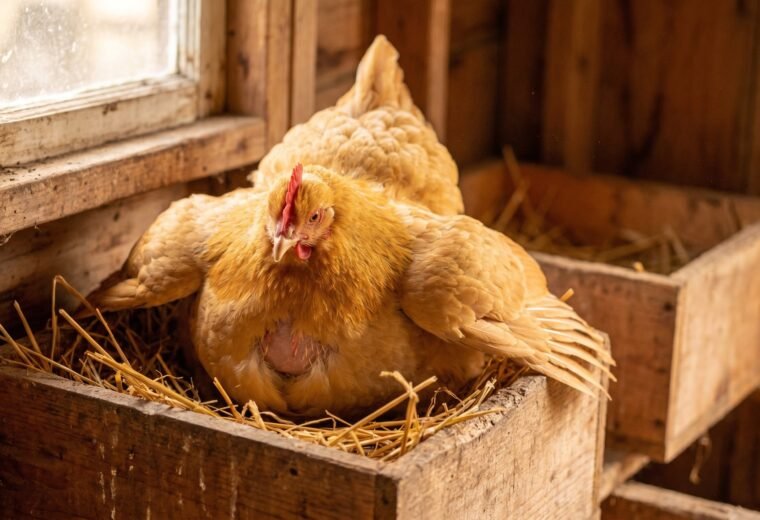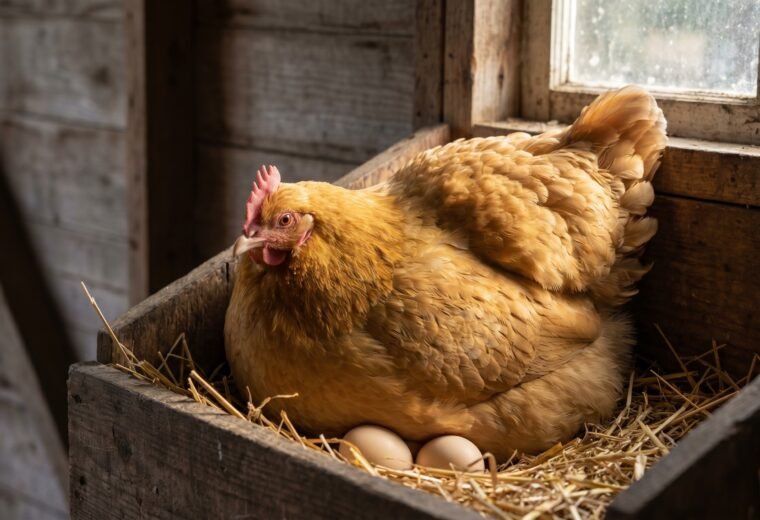
Your hen hasn't left the nest box in two days. She growls when you reach for eggs, her comb has gone pale, and the other hens are queuing up outside the box with nowhere to lay. She's gone broody, and the sooner you act, the sooner you'll get her back. Break her up within the first day or two and she'll usually be laying again within a week. Wait until day four or beyond and the return to production can stretch past two weeks.
There is nothing medically wrong with a broody hen, and you genuinely don't have to break her if you don't want to. But if you're keeping chickens for eggs and don't have a rooster, letting broodiness run its course costs you weeks of production and can chip away at her body condition. This guide covers the biology behind what's happening, how to decide whether to break or let her hatch, the methods that actually work, what to skip, and a practical timeline so you know what to expect.
Why hens go broody in the first place
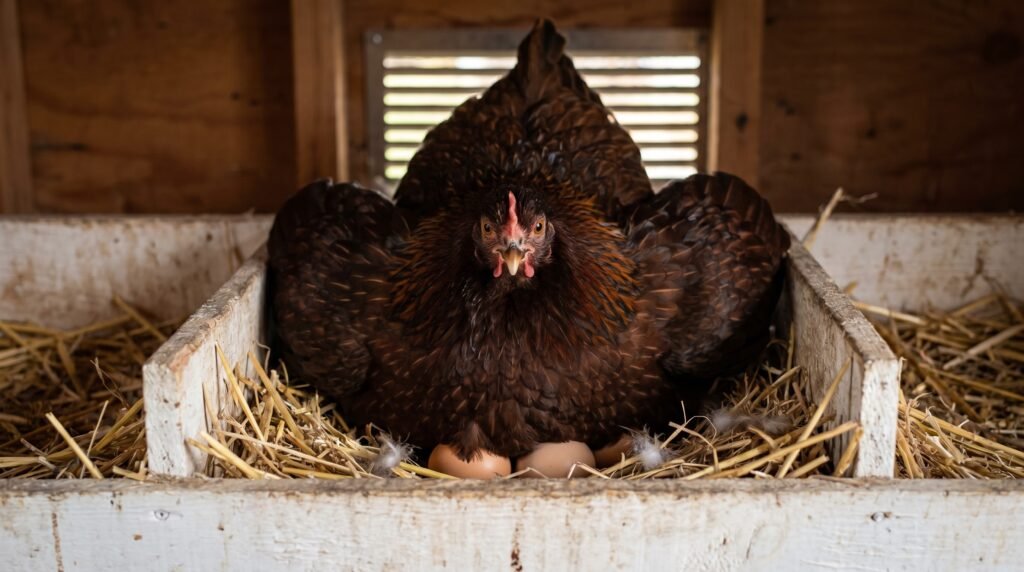
Broodiness is a hormonal state, not a mood. When day length increases and a clutch of eggs accumulates in the nest, a hen's pituitary gland ramps up output of a hormone called prolactin. Research published in PMC confirms that prolactin "is the fundamental factor for the broodiness behavior of poultry and the basis for maintaining this behavior." Once prolactin rises high enough, it suppresses the gonadotropins (FSH and LH) that normally drive ovarian follicle development. Egg formation stops. The hen commits to the nest.
The nest itself is part of the feedback loop. University of Minnesota research on nesting turkeys found that serum prolactin dropped significantly after just eight hours of nest deprivation, and when deprived hens were given nest access again, nesting behavior resumed within five minutes. That's the core biology behind every breaking method: you are not punishing the hen, you are removing the physical triggers that keep prolactin elevated.
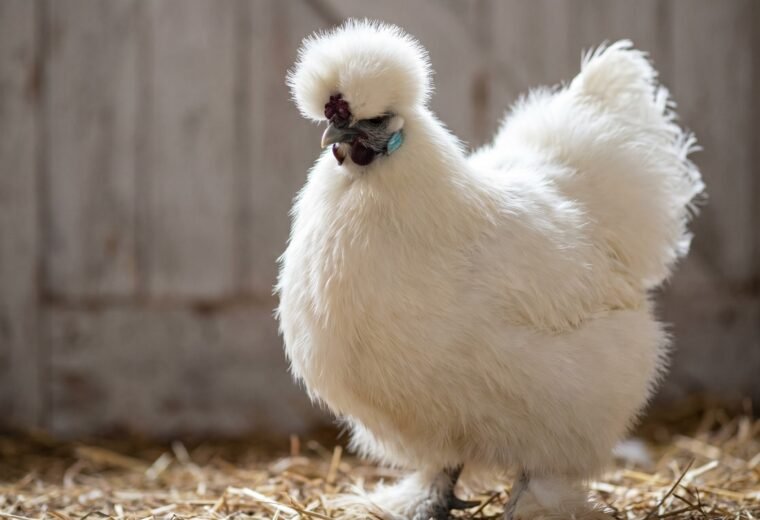
Mississippi State University Extension notes that the tendency to go broody "is determined entirely by genetics and seasonal weather changes (primarily changes in lighting)." Certain breeds carry a far stronger predisposition. Silkies, Cochins, Buff Orpingtons, and Plymouth Rocks are well-known repeat brooders. White Leghorns and most production-bred hybrids almost never go broody because selective pressure for high egg output has bred the instinct back out of them. If you keep a Silkie or a Cochin hen, plan on seeing broodiness more than once per season. That's not a flaw; it's the breed doing what it was shaped to do.
When to break her versus when to let her hatch
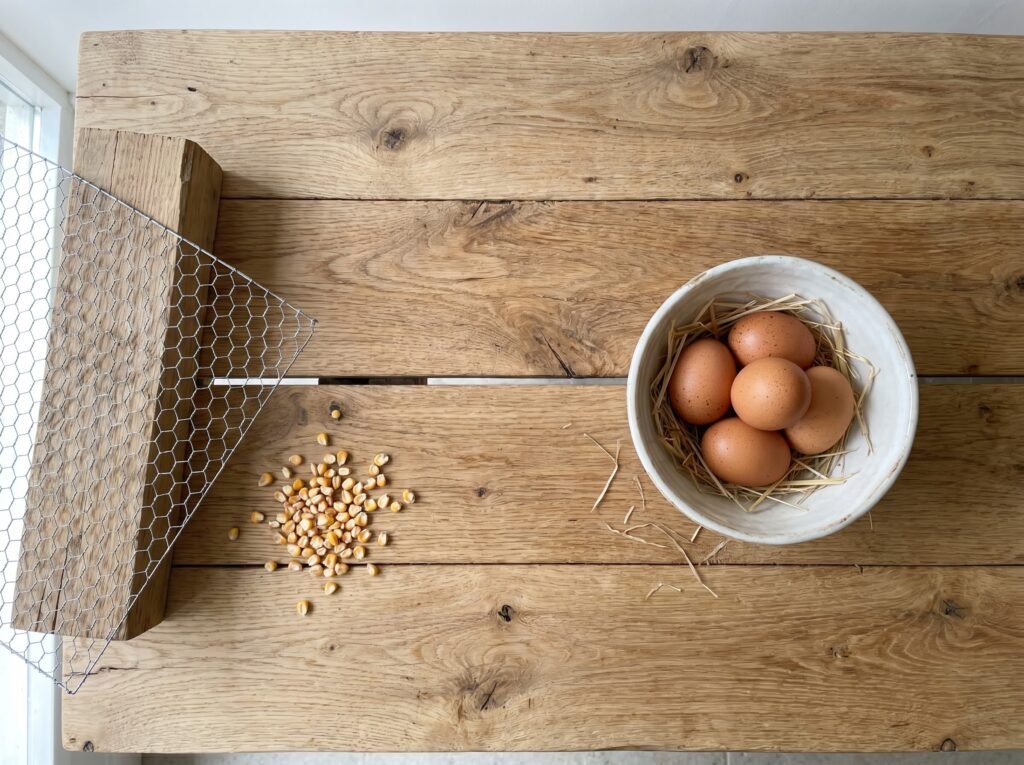
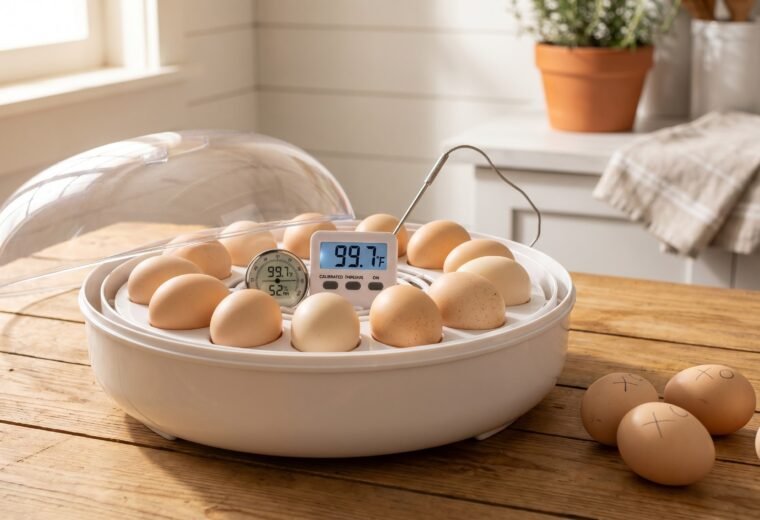
Before reaching for the wire crate, spend two minutes on this decision. The University of Kentucky Extension is clear: a broody hen is a natural incubator, and if you have fertile eggs you want hatched, she may be the most cost-effective and least stressful route to chicks. You'd skip electricity, a separate incubator, and the first two weeks of brooder management, because she handles temperature regulation and turning on her own.
Use this table to make the call:
| Factor | Break her | Let her hatch |
|---|---|---|
| Fertile eggs available? | No rooster, no fertile eggs | Yes, rooster in flock or sourced eggs |
| Space for a broody setup? | No separate area available | Can give her private nest away from flock |
| Flock size and nest pressure | Small coop, nest boxes at a premium | Adequate boxes, other hens can still lay |
| Breed and repeat tendency | Chronic brooder, multiple times per season | First brood of the year, calm disposition |
| Hen's body condition | Already thin, lost visible weight | Good weight, robust condition |
| Season and timing | Late summer, no time to raise chicks before winter | Spring, adequate grow-out window |
| Your capacity to monitor | Limited time to supervise a hatch | Able to check daily and manage chick integration |
If you decide to let her hatch, our guide on letting a broody hen hatch eggs walks through setting her up safely. If you're breaking her, keep reading.
The gentle methods that actually work
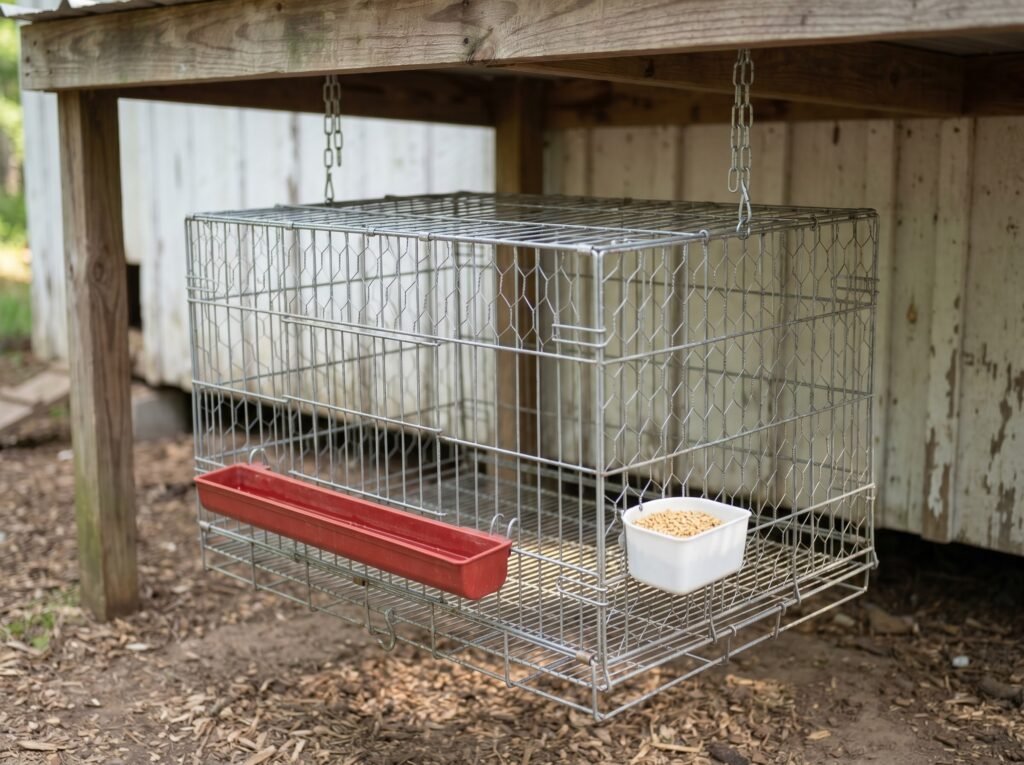
Every effective method shares the same mechanism: reduce or eliminate the nest stimulation and physical warmth that keep prolactin elevated. None of these require anything harsh. Work through them roughly in order, starting with the least disruptive.
Step 1 - Collect eggs immediately and consistently
Oregon State University Extension advises collecting eggs daily from nests and hiding places as the first line of response when a hen begins showing extended nest sitting. A nest full of eggs is the primary trigger for broodiness; removing that visual and tactile cue cuts off part of the feedback. For a hen in the first 24 hours of settling, this alone sometimes tips her back out. After two or three days of full broody commitment, egg removal is not enough on its own, but you should still do it to prevent her from rolling in eggs from other hens.
Step 2 - Repeated removal from the nest
Lift her out of the nest box several times a day, place her with the rest of the flock near feed and water, and block nest access for a few hours if your setup allows. Oregon State's guidance specifically recommends removing her from access to the nest for several days and notes that "after a period of time, the broody behavior will cease and she will return to egg production." Repeated removal alone works on mildly broody hens or on early-stage broodiness. Determined brooders in the nest for more than two days often march right back within minutes, which is when the wire crate becomes necessary.
Step 3 - The wire crate (the most reliable method)
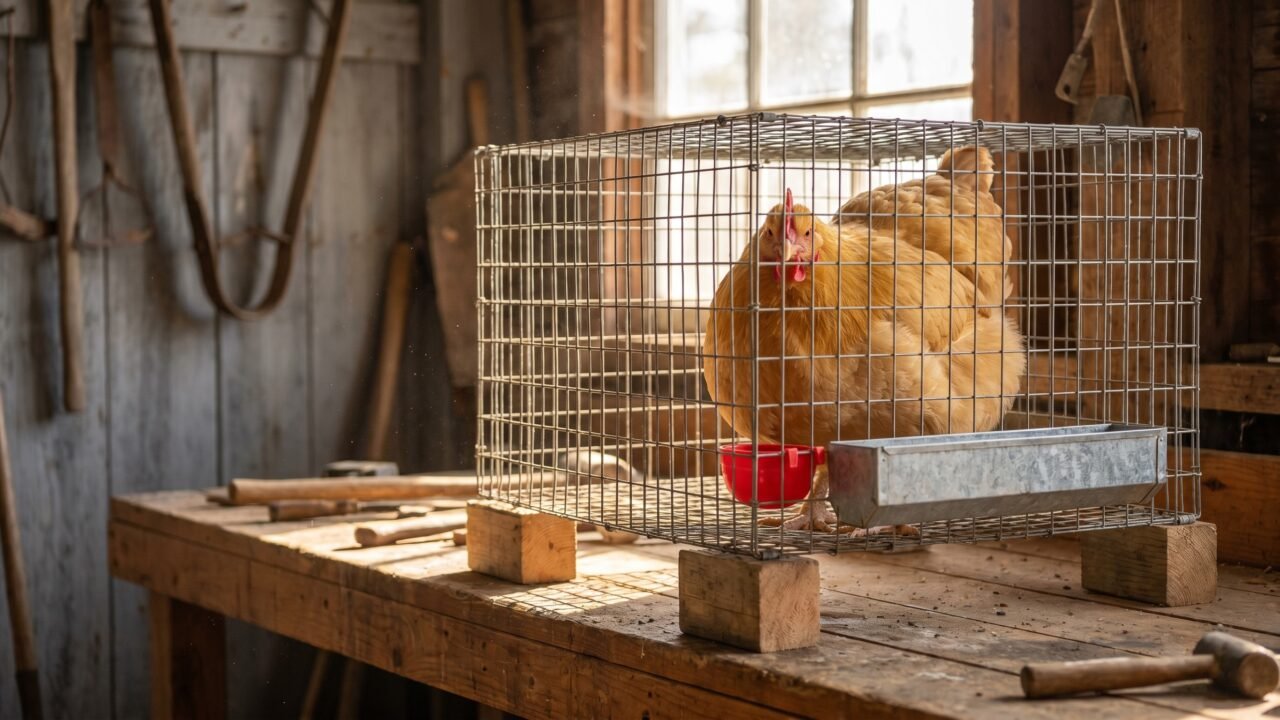
This is what Mississippi State University Extension recommends as the standard fix: remove the hen from the flock and place her in a wire-floored cage for three to four days, supplying ample feed and water. The wire floor matters. A solid floor with shavings still gives her a warm, nestable surface; the wire denies her a comfortable place to settle and allows cooler air to circulate under her, reducing the elevated abdominal temperature that forms part of the hormonal feedback loop.
Set the crate up like this:
- Raise it off the ground or suspend it so air moves freely underneath (a milk crate on sawhorses, or a hanging dog crate with wire sides all work).
- No bedding, no nesting material of any kind inside the crate.
- Fresh water within easy reach at all times - she is already eating and drinking less than normal, and dehydration is the real welfare risk here.
- Layer feed, not scratch. Her body needs protein to rebuild after the caloric deficit of brooding.
- Keep the crate in a well-lit, airy area - shade and enclosed darkness prolong the instinct.
- Leave her in 24 hours a day until she breaks. Letting her out at night and returning her to the coop resets progress.
Most hens break within three to five days; Mississippi State University Extension specifically cites three to four days as the standard duration. Stubborn hens or those that have been broody longer may need a day or two beyond that. Mississippi State also notes the treatment can be repeated if she returns to the nest. Checking whether she has broken is simple: put her on the ground near the coop entrance. A hen that no longer wants the nest will wander off to scratch, dust-bathe, and join the flock. A hen that makes a beeline for the nest box needs another day or two.
An honest note on "cooling" methods
You'll read advice about placing ice packs under a broody hen or dunking her belly in cool water to reduce the brood patch temperature. The biology is real - cooling the abdomen does interfere with the hormonal signal. But ice packs in a nest box are impractical to maintain around the clock, and cold-water immersion carries genuine welfare risk: a chilled, wet hen who cannot dry quickly is at risk of hypothermia, especially in cooler weather. The wire crate accomplishes the same cooling effect passively and continuously, without stress or chill. Skip the water dunking.
What not to do
A few approaches still circulate in backyard poultry groups that are worth skipping:
- Blocking the nest with the hen still inside. Trapping her in place without food, water, or space to move is not breaking broodiness - it is confinement without the welfare safeguards. Always provide ad libitum water and feed during any breaking attempt.
- Dunking in ice water. As noted above, the shock risk is real and the practical effect is short-lived. The wire crate is both gentler and more effective.
- Removing eggs but otherwise doing nothing. By the time a hen has been broody for two or more full days, nest removal alone rarely breaks the cycle. Prolactin is already driving the behavior independently of whether there are eggs present.
- Isolating her in a dark, enclosed box. Darkness extends broodiness rather than shortening it. Light exposure helps normalize the photoperiod that governs reproductive hormones; a dark box keeps her in the wrong hormonal state longer.
Health risks of a prolonged broody cycle
Broodiness is not a disease, but letting it run unchecked for weeks costs a hen real condition. Research on a broody Silky Black-bone Fowl population found that daily feed intake dropped from 80 g to roughly 21 g per bird, and body weight fell by an average of 6.83 percent over the brooding period. Recovery of normal laying took about 17 days after broodiness ended.
Beyond weight loss, a hen sitting tight on a nest drinks far less water than normal. In warm weather, dehydration can develop quickly. Her comb will pale, her feathers will lose sheen, and her immune response is suppressed. A hen in light broodiness for a week or two rarely suffers lasting harm, but one left broody for six or eight weeks - which can happen with determined heritage breeds - may need extra time and higher-protein feed to rebuild before she comes back to full production.
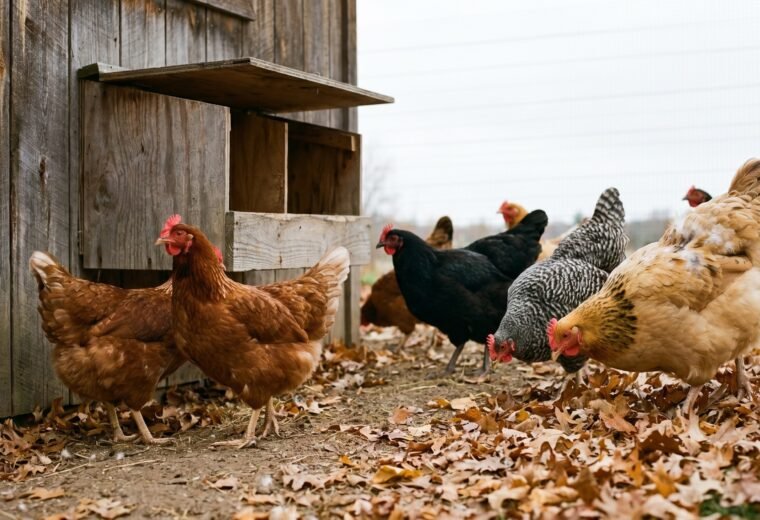
Broodiness also has a flock-level cost. One hen occupying a nest box around the clock blocks laying access for the others, which leads to floor eggs, delayed laying, and sometimes a second or third hen piling into the same box. In a small coop with only three or four nest boxes, a single determined brooder can noticeably reduce the whole flock's output. If you're seeing a sudden drop in the number of eggs you're collecting, a broody hen monopolizing the nest is one of the first things to check.
Timeline from broody to laying again
This is where many keepers get frustrated: breaking the broody behavior and resuming egg production are two different clocks, and the faster you act, the faster both resolve.
| Scenario | Time to break broodiness | Time until first egg after breaking |
|---|---|---|
| Caught within 24 hours, eggs removed, nest access blocked | 1-3 days | About 1 week |
| Broody 2-4 days, wire crate used | 3-5 days in crate | 1-2 weeks after breaking |
| Broody 5-10 days, wire crate used | 4-7 days in crate | 2-3 weeks after breaking |
| Broody 3+ weeks without intervention | Up to 7-10 days in crate | 3-4 weeks, sometimes longer |
| Allowed to complete a full 21-day hatch (no chicks adopted) | Broodiness ends naturally after ~3 weeks | About 3-6 weeks to resume laying |
These ranges are based on the research-derived figure of roughly 17 days to resume laying after the broody period ends, and the practical guidance that early intervention (within the first day) puts resumption at around one week. Individual hens vary; a Silkie may take the longer end of every range, while a production-breed hen caught early may bounce back faster.
After she breaks, feed her well. A solid layer ration running 16 percent protein plus free-choice calcium supports the reproductive system restarting. A few days of higher-protein treats like dried mealworms can help a hen that has lost noticeable weight recover condition before her first egg appears. More on what laying hens need nutritionally is in our broody hen overview, which covers feeding, monitoring, and reintegrating her after the crate period.
Preventing repeat broodiness
You cannot change a hen's genetics. If she is a Cochin or a Silkie, she will very likely go broody again, possibly multiple times in the same season. What you can manage are the triggers:
- Collect eggs at least once a day, ideally twice. A nest with accumulating eggs is the strongest environmental trigger.
- Maintain consistent lighting (14-16 hours of light per day during peak season). Shortened day length and low light in enclosed nest boxes both favor the hormonal shifts that initiate broodiness.
- Avoid overly enclosed nest boxes with deep sides that trap warmth. Some keepers leave nest box fronts partially open to reduce the dark, warm-cave effect.
- Reintegrate her calmly after breaking. Returning her to the flock after a crate period sometimes triggers pecking-order friction. Give her access to feed and water before the flock arrives in the morning so she can eat before any competitive pressure starts.
If broodiness in your flock is chronic and you genuinely do not want to hatch chicks, switching to breeds with lower broody tendency for your next additions is worth considering. Our guide on why hens stop laying covers the full range of production disruptions beyond broodiness - molt, stress, lighting, and nutrition among them.