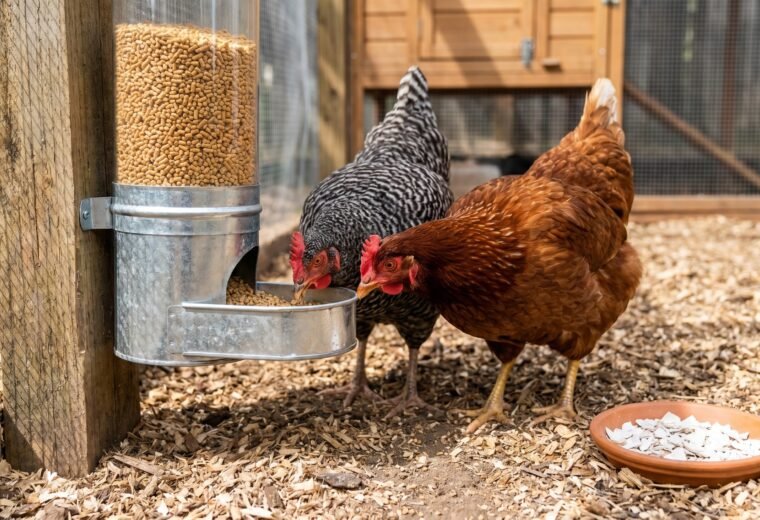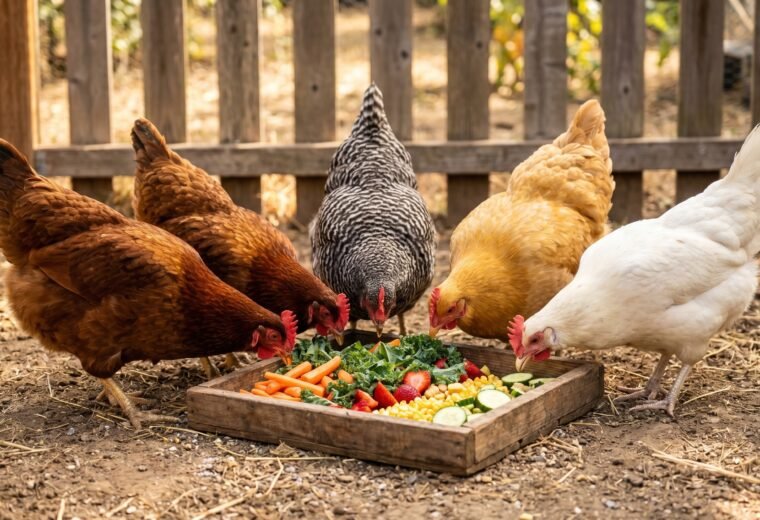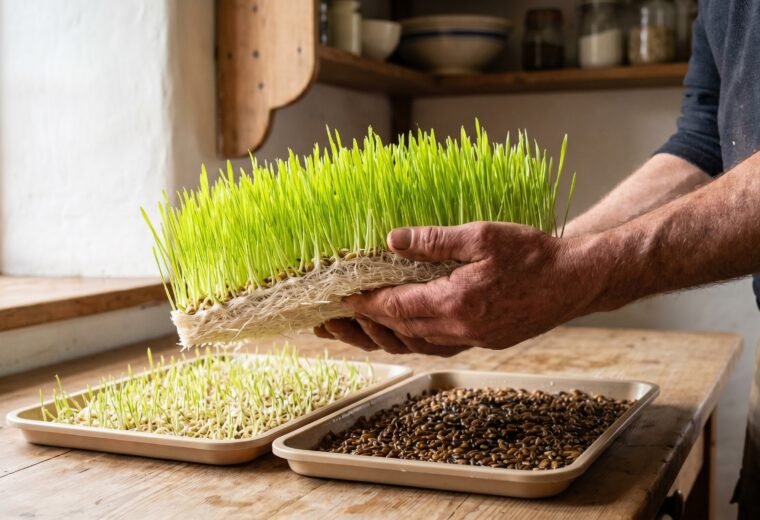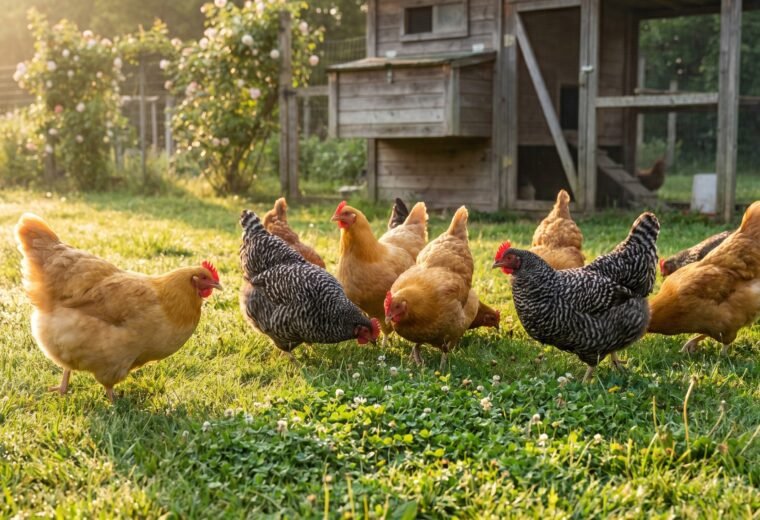
Scratch a backyard keeper long enough and you will find someone who planted a patch of something special for the flock - and watched the birds completely ignore it while tearing up the lettuce seedlings ten feet away. Growing plants chickens genuinely eat, on purpose, in a way that does not wreck your garden, takes a little planning. This guide covers the easiest, most rewarding options, what to keep out of their reach, and a workable layout so the plants survive long enough to be worth growing.
Chickens are hardwired foragers. Research on wild jungle fowl shows they spend roughly 61% of their active hours pecking and scratching at potential food sources - and domesticated hens do the same even when a full feeder sits within a few steps of them (Poultry Extension, Normal Behaviors). That drive is the reason a deliberately planted forage patch pays off: it gives the flock productive activity, supplements their diet with fresh material, and keeps them from stripping the rest of your yard bare.
What chickens actually get from fresh plants
Managing expectations upfront saves frustration. Chickens are not ruminants, so they cannot ferment fibrous cellulose the way a cow does. As the Poultry Extension feeding guide puts it, "they do not get a lot of nutrients from grass or alfalfa/clover - because chickens are not cows." What they do extract well is the moisture, vitamins, and pigments in young, tender leaves. Old, stemmy material passes through largely undigested.
Practically, that means fresh greens, herbs, flowers, and soft vegetable flesh contribute meaningful nutrition in small quantities - carotenoids, trace vitamins, natural antimicrobial compounds - but they cannot replace complete feed. The Poultry Extension recommends treating all supplements, greens included, as something the flock should finish within 20 minutes a day so their core ration stays nutritionally balanced. Think of your chicken garden as a daily vitamin boost, not an alternative to layer pellets. For a full breakdown of what the base diet looks like, the what-to-feed-chickens guide covers feed composition in detail, and treats-and-what-not-to-feed lists safe and unsafe kitchen foods by category.
The easiest plants to grow for chickens
The list below focuses on plants that are genuinely low-maintenance, broadly adapted, and documented as safe for poultry. A 12-bird flock will cycle through a generous patch quickly, so the goal is either fast-regrowing plants or high-yield producers that outpace consumption.
Leafy greens
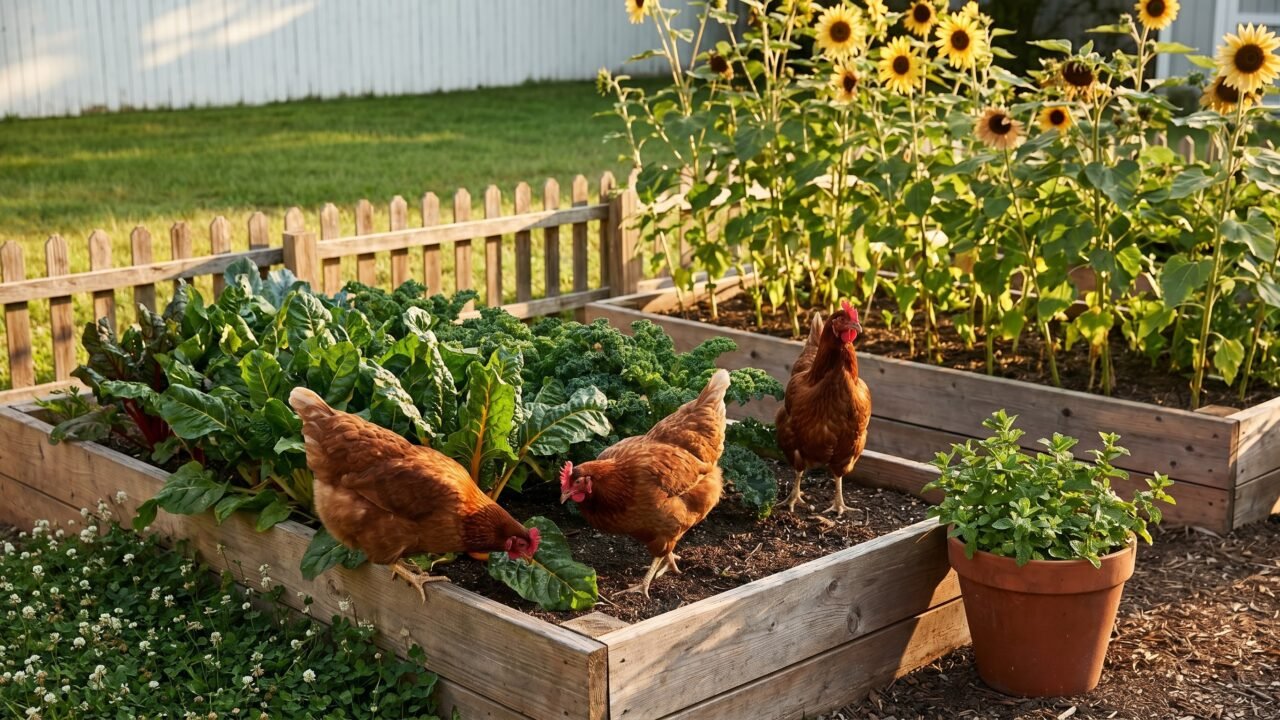
Kale, Swiss chard, and spinach are the workhorses. They bolt slowly in cool weather, regrow reliably after a cut, and contain carotenoids that support egg yolk color. Sow directly in spring or fall; a 4-foot by 8-foot raised bed will feed a dozen birds a daily handful of leaves from about six weeks after germination through the first hard freeze. Harvest outer leaves and let the center keep growing. Chickens will eat every part down to the stem if given access to the entire plant, so trim and toss rather than letting them into the bed unsupervised.
Lettuce and arugula are faster-growing options (ready in three to four weeks) but bolt quickly in heat. Succession-plant every three weeks in spring and again starting six weeks before fall frost to keep fresh cuts coming.
Herbs
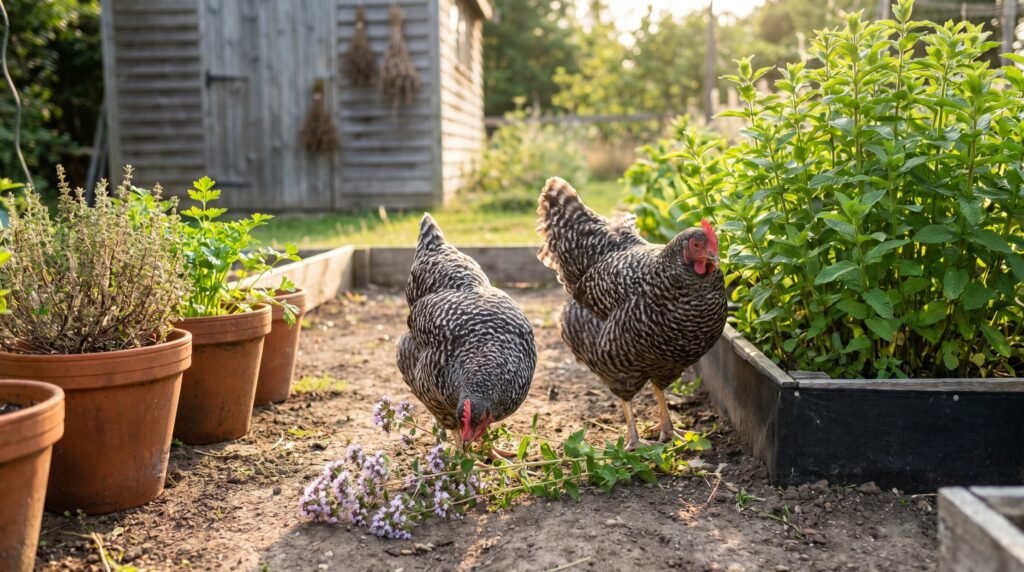
Oregano deserves its own line: Poultry Extension research finds oregano oil acts as a natural antimicrobial that supports immune function in flocks, and it is one of the hardiest perennial herbs you can grow. Plant it once and it spreads on its own. Spearmint and peppermint are similarly vigorous - vigorous to the point of needing containment in a pot or raised bed edge, because they spread by runner. Mint contains menthol, which gives it the insect-deterrent reputation among flock keepers, though the mechanism is less studied than oregano.
Thyme and flat-leaf parsley are both palatable to chickens and easy from transplant. Lavender the birds tend to eat lightly if at all, but it is worth planting around the run perimeter: many keepers tuck dried bunches near nest boxes for its scent, though controlled evidence for an insect-repellent effect is limited. Basil is an annual the flock enjoys fresh; grow it in a protected spot and clip stems for the birds rather than letting them at the whole plant.
Sunflowers
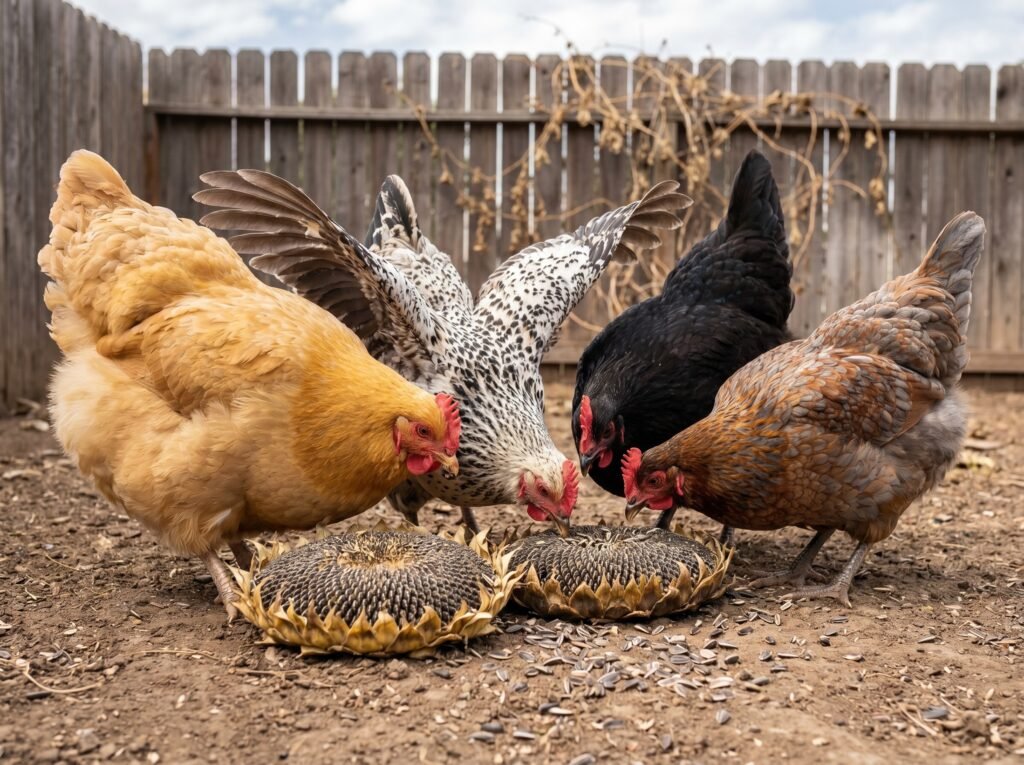
A sunflower planting pays out twice: the birds eat the leaves and stems when young (and will topple seedlings if not protected), then the dried seed heads deliver a high-value snack in late summer. Sunflower seeds are a legitimate protein and fat source - Poultry Extension notes whole seeds can make up 15% to 20% of the poultry diet without adverse effects on growth. For a flock treat rather than a dietary staple, let a few tall varieties mature fully, cut the heads, and offer one or two whole dried heads at a time. Sow after last frost in full sun; most varieties need 70 to 120 days to mature depending on variety.
Squash and zucchini
Both summer and winter squash are high-yield, low-maintenance producers, and chickens eat everything: flesh, seeds, and soft rind. A single zucchini plant can produce far more than a household eats, making the extras a natural flock treat. Seeds from ripe squash are safe and the birds relish them. Winter squash (butternut, acorn, pie pumpkin) stored through fall and winter lets you offer fresh interior flesh on cold days when the garden is bare. Split a squash and drop it in the run; a dozen birds will clean it to the skin in an afternoon. Do not use squash that has gone moldy - as with any spoiled food, discard it.
Clover and forage mixes
White clover is one of the most chicken-friendly ground covers available. Extension educators specifically name it a "tough, palatable" species that handles "occasional grazing once mature" - the key qualifier being mature. Scatter-seed a dedicated patch with pure white clover or a short-grass/clover blend - both work well - then keep the flock off it for four to six weeks using a simple wire barrier while it establishes. Once it has rooted fully and the canopy is dense, rotate the birds through in short sessions rather than giving constant access. For deeper coverage of growing a dedicated forage patch, growing-fodder-for-chickens walks through seed selection, germination rates, and a yield comparison across common forage crops.
Plants and ornamentals to keep away from the flock
As Ask Extension guidance notes, chickens "will pick on just about anything," and many popular ornamentals are genuinely dangerous. The list below covers the most common hazards in backyard gardens and neighborhoods. The rule of thumb: if you cannot identify a plant, treat it as off-limits until you can.
| Plant | Risk level | Toxic part(s) | Notes |
|---|---|---|---|
| Avocado | High | Fruit, leaves, stems, seeds | Persin causes cardiac damage and edema in birds; all parts dangerous |
| Oleander | High | All parts | Cardiac glycosides; common landscape shrub in warm climates |
| Rhododendron / Azalea | High | All parts | Grayanotoxins; extremely common ornamentals |
| Castor bean | High | Seeds primarily | Ricin; a few seeds can be lethal |
| Jimsonweed | High | All parts | Tropane alkaloids; grows as a weed in disturbed soil |
| Sago palm | High | All parts, seeds worst | Cycasin; popular landscaping plant in warm regions |
| Chinaberry / China tree | High | Berries, bark | Tetranortriterpenes; berries drop and chickens may peck them |
| Tomato (plant only) | Moderate | Leaves and green stems | Toxic alkaloids in the nightshade family (primarily tomatine) in foliage; ripe tomato fruit is fine in moderation |
| Rhubarb | Moderate | Leaves | High oxalate content; stalks are generally considered safe |
| Philodendron | Moderate | All parts | Calcium oxalate crystals; keep potted houseplants away from the run |
| Poinsettia | Low-moderate | Sap, leaves | Irritant rather than acutely lethal; still best avoided |
A note on avocado specifically: the Merck Veterinary Manual records that chickens and turkeys show more resistance to persin than caged birds, but "more resistant" does not mean safe. The toxic compound still causes myocardial necrosis and respiratory distress in birds at sufficient doses. Keep avocado trees fenced out of free-range areas, and never add avocado scraps to the compost heap where the flock can reach them.
Tomato presents a common source of confusion. The ripe fruit is safe and most flocks eat it eagerly. The leaves and green stems of the tomato plant contain toxic alkaloids in the nightshade family and should not be accessible to the birds - which means tying up tomato plants, using cages, or simply fencing the birds out of the vegetable garden while tomatoes are growing. Extension guidance confirms that for solanaceous plants, "the plant leaf is the most troublesome" part.
A simple four-bed rotation plan for a small flock
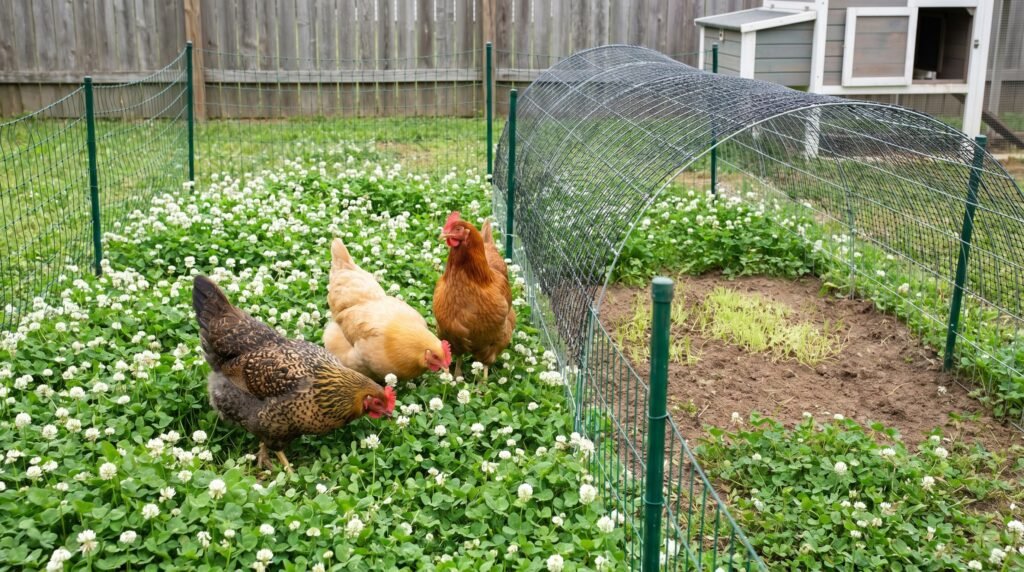
The biggest practical problem with growing plants for chickens is this: give a flock direct access to anything newly planted and it disappears in minutes. The solution is sectioned access and rotation - the same logic Extension educators use when recommending that keepers "divide your lawn into at least two or three sections and rotate chickens between them every few days."
The layout below suits a flock of eight to 12 birds and a garden area of roughly 200 to 300 square feet divided into four roughly equal beds. Adjust bed count and size to match what you have.
| Bed | What to plant | Flock access schedule | Season |
|---|---|---|---|
| Bed A - Greens | Kale, chard, spinach, arugula | Clip and offer daily; full access only after harvest | Cool season (spring, fall) |
| Bed B - Herbs and flowers | Oregano, mint (potted), parsley, thyme, marigold | Clip and offer 2-3x per week; perennials need protection from overgrazing | Year-round (perennials survive winter in most zones) |
| Bed C - Squash/sunflower | Zucchini, winter squash, tall sunflowers | Fence out until harvest; offer fruits and seed heads at maturity | Warm season |
| Bed D - Forage patch | White clover, yarrow, chicory | Rotate birds in for 2-3 days, then rest 2-3 weeks to regrow | Spring through fall; clover winter-hardy in most zones |
Newly seeded beds need at least four to six weeks of recovery time before the flock touches them - tender seedlings and freshly scattered seed will not survive even one afternoon of scratching. A simple wire hoop tunnel or a few lengths of poultry netting staked around the perimeter does the job while the plants establish. Once plants are mature and well-rooted, short supervised access sessions prevent the annihilation problem. This is especially true for herbs: oregano that has spread to a 2-foot clump can handle the flock walking through it; a newly transplanted 4-inch pot cannot.
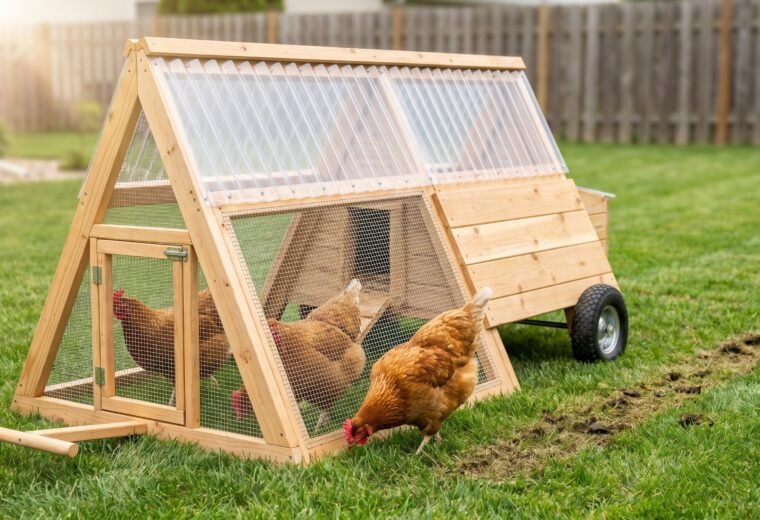
For anyone running a chicken tractor rather than a fixed coop, the rotation logic is built in - moving the tractor over different garden sections lets the birds clear pests and deposit manure before the bed is replanted. The chicken tractor article covers setup and timing in more detail. And if you are still working out how much outdoor space your birds actually get, free-range-chickens covers range management and what full outdoor access realistically looks like for a backyard flock.
Protecting your garden from the flock
Even the most chicken-friendly garden layout needs some physical barriers. Chickens are not selective grazers - they scratch first and evaluate later. A few things that save plants and frustration:
- Hardware cloth or welded wire fencing at 18 to 24 inches tall keeps most breeds out of raised beds. Bantam and lighter breeds can clear lower barriers, so go to 24 inches if you have flighty birds.
- Mulch newly seeded areas generously - bare soil is an irresistible invitation to scratch. A light layer of straw over seeds cuts scratch damage significantly while the seedlings germinate.
- Never skip the establishment period. A clover patch that gets grazed before it roots will not recover well. Four to six weeks of fencing pays for itself in a stand that lasts several seasons.
- Skip pesticide-treated grass clippings entirely. Residue on clippings from recently treated lawns poses real risk. If you are not sure when the lawn was last treated, leave those clippings out of the run.