For most backyard flocks, the answer is no - a chicken coop heater is not required. Adult chickens in good condition, housed in a dry, draft-free coop with adequate ventilation, can handle winters well into the single digits without any added heat. That said, a few real situations do call for supplemental warmth, and if you go that route, your choice of equipment matters enormously. Heat lamps have started enough coop fires that fire marshals actively warn against them. Safer alternatives exist and are worth knowing.
What follows covers the honest case for each side, the fire numbers behind heat lamps, and a side-by-side look at your options if you do decide a heater belongs in your setup.
Why most flocks genuinely don't need heat
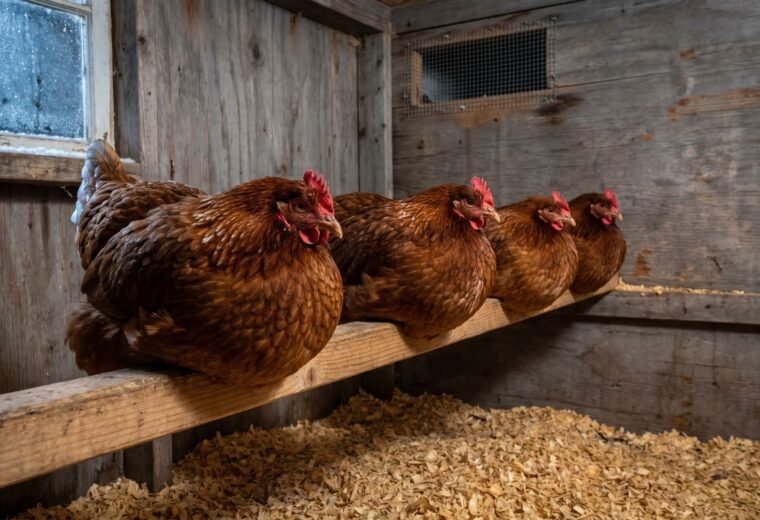
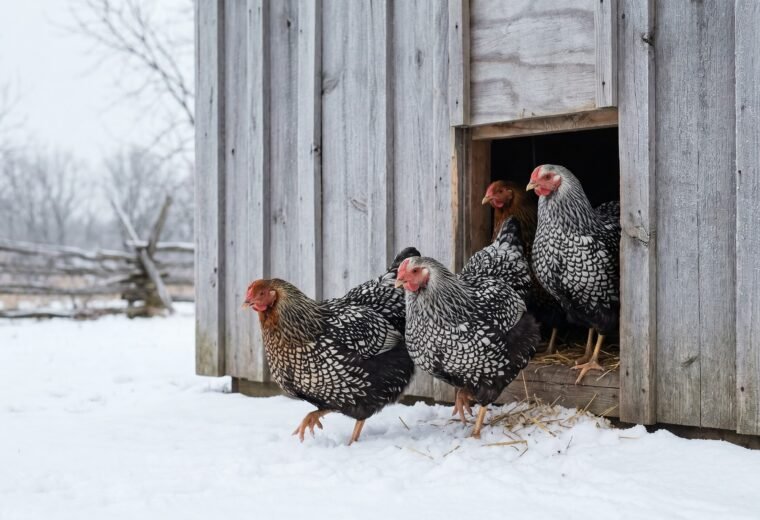
Chickens are more cold-tolerant than their tropical origins suggest. A fully feathered adult hen maintains a core body temperature around 105-107°F. She fluffs her feathers to trap an insulating air layer, tucks her feet under her breast feathers when roosting, and generates shared heat when birds pack onto roost bars together. A flock of 14 standard-sized hens on a well-built roost generates real warmth just from body heat and respiration.
The University of Minnesota Extension puts it plainly in their cold-weather guidance: "Heavier breeds such as Plymouth Rock, Wyandotte, Ameraucana and Orpington over-winter well." For those breeds - and most dual-purpose standards - a well-ventilated, dry coop is genuinely sufficient. A full list of breeds that handle northern winters without issue appears in the cold-hardy chicken breeds guide.
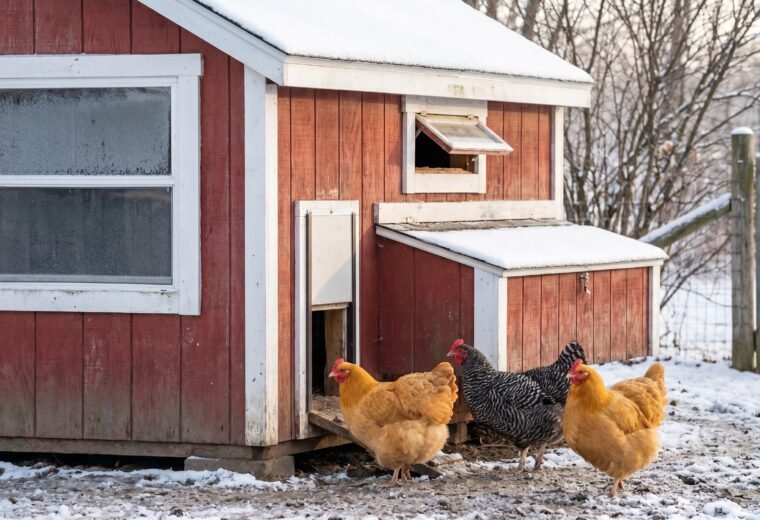
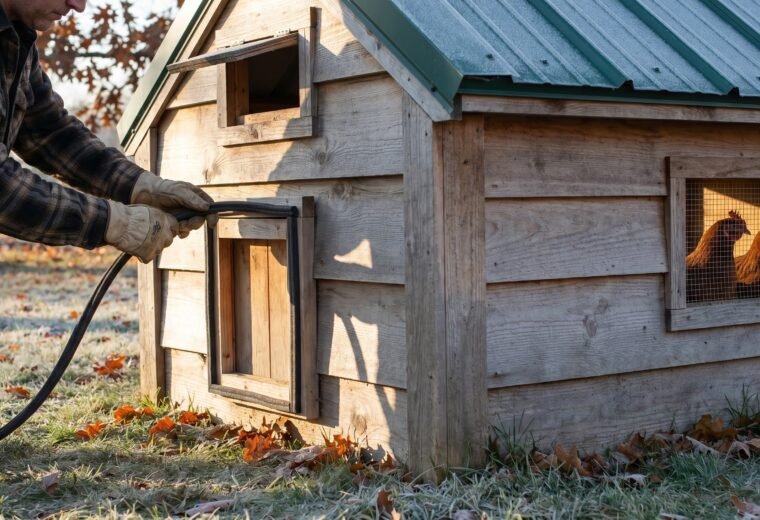
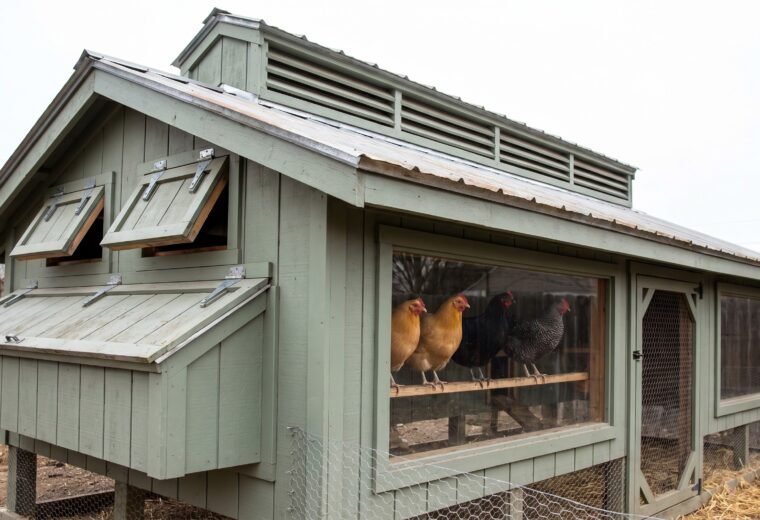
The real threat in winter is not cold air. It is moisture. Chicken respiration and manure release a surprising amount of humidity into a sealed coop overnight. When that damp air meets cold surfaces, you get condensation, and condensation is what causes frostbite - not the ambient temperature itself. A poorly ventilated coop at 20°F is more dangerous than a well-vented coop at 5°F. Adding a heater to a damp, sealed coop treats the wrong problem. Sizing and placement of vents to remove moisture at the source is covered in the chicken coop ventilation guide.
University of New Hampshire Extension frames the policy directly: "In most circumstances, we advise against adding supplemental heat to your chicken coop. The risk of a heat source causing a fire is too high with combustible bedding materials present and given the tendency of chickens to knock things over."
When supplemental heat actually makes sense
There are real exceptions. Knowing them helps you make a clear call rather than guessing.
- Bantams and small breeds. UNH Extension specifically notes that "if you raise smaller breeds like bantams, you may consider insulating the coop and/or carefully using a specially designed heater." Bantams carry less body mass and have proportionally larger surface area, so they lose heat faster than a large-bodied dual-purpose bird.
- Chicks being brooded in a coop setting. Young birds cannot thermoregulate until fully feathered, typically around 6-8 weeks old. A brooder setup is completely different from adult supplemental heat - the right numbers at each stage are in the brooder temperature by week chart.
- Extended extreme cold with a mixed or small flock. If you have three birds in a small coop and temperatures are forecast to stay below -10°F for a week, that flock may not generate enough shared body heat to keep the space above freezing overnight. That is different from a typical cold snap.
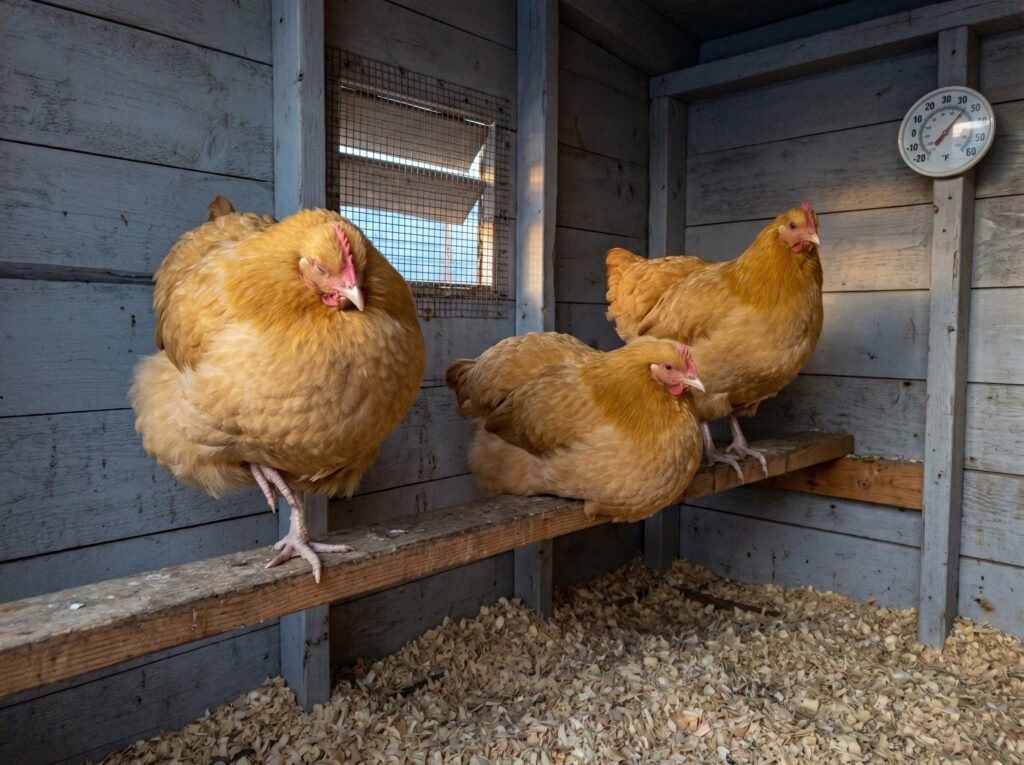
- Birds showing cold stress. University of Minnesota Extension lists the signs: "Huddling together, holding a foot up to their breast, or puffing their feathers are all signs that your chickens may be cold." If you consistently see this behavior after dark checks, something in the setup needs to change - better insulation, more birds on the roost, or carefully added heat.
- Large-comb breeds in severe cold. Leghorns and other big-single-comb breeds face frostbite risk at single-digit temperatures even when the flock as a whole is warm enough. Supplemental warmth or petroleum jelly on combs and wattles (a practice supported by UNH Extension) both help. A heater in a situation like this is a legitimate tool, not a crutch.
Cold-season management - feeding, water, bedding, and light strategies - comes together in the keep chickens warm in winter overview. The separate question of whether any of this affects egg production is addressed in do chickens need heat in winter.
The heat lamp fire problem
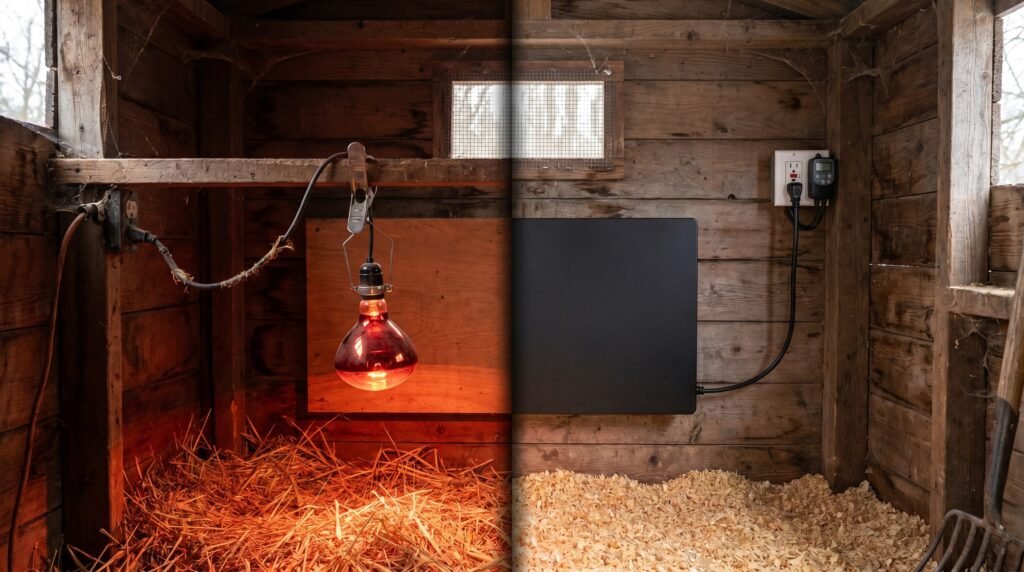
Heat lamps are the most common supplemental heat source in backyard coops, and they are also the source of most coop fires. Greg Day of the Maine Fire Marshal's Office put the core risk simply: "The problem with heat lamps is the chickens can knock them over into the bedding." A 250-watt heat lamp bulb reaches temperatures well above what it takes to ignite pine shavings or straw. The clamps that come standard on most lamp fixtures are not designed for a vibration-heavy environment like a coop full of active birds.
Beyond the tip-over hazard, heat lamp fires also start from:
- Extension cords run under bedding or pinched under boards, where insulation cracks and arcs
- Inadequate mounting hardware - a lamp hung from its cord, not a dedicated bracket or safety chain
- Bulbs contacting feathers, cobwebs, or dust that accumulates on fixtures over weeks
- Older fixtures with cracked ceramic sockets that fail under sustained high heat
There is also a secondary problem specific to adult laying flocks. University of Maine Cooperative Extension notes that if a heat lamp runs 24 hours daily, birds experience it as continuous daylight. When spring temperatures finally allow the lamp to be switched off, hens perceive it as a sudden shortening of the light period and may respond with a drop in production - the opposite of what most keepers want.
If you must use a heat lamp in a temporary or emergency situation, secure it with a dedicated safety chain (never the cord alone), mount the fixture so no part of the lamp or guard can contact bedding under any failure mode, and make sure a GFCI outlet is on the circuit. Those steps reduce risk; they do not eliminate it.
Safer heater options: flat-panel and radiant alternatives
The category of purpose-built chicken coop heaters has grown substantially in recent years. Flat-panel radiant heaters are now the recommended alternative among poultry extension educators when supplemental heat is genuinely needed. Here is how the main options compare.
| Heater type | Typical wattage | Surface temp | Ignition risk | Thermostat support | Best for |
|---|---|---|---|---|---|
| Incandescent heat lamp (250W) | 250W | Very high (>480°F bulb) | High - documented fire source | Yes, but risk remains | Brooder only (temporary); not recommended for adult coops |
| Infrared ceramic heat lamp | 100-250W | High (lamp surface) | Moderate - still a lamp in bedding environment | Yes | Emergency / short-term only |
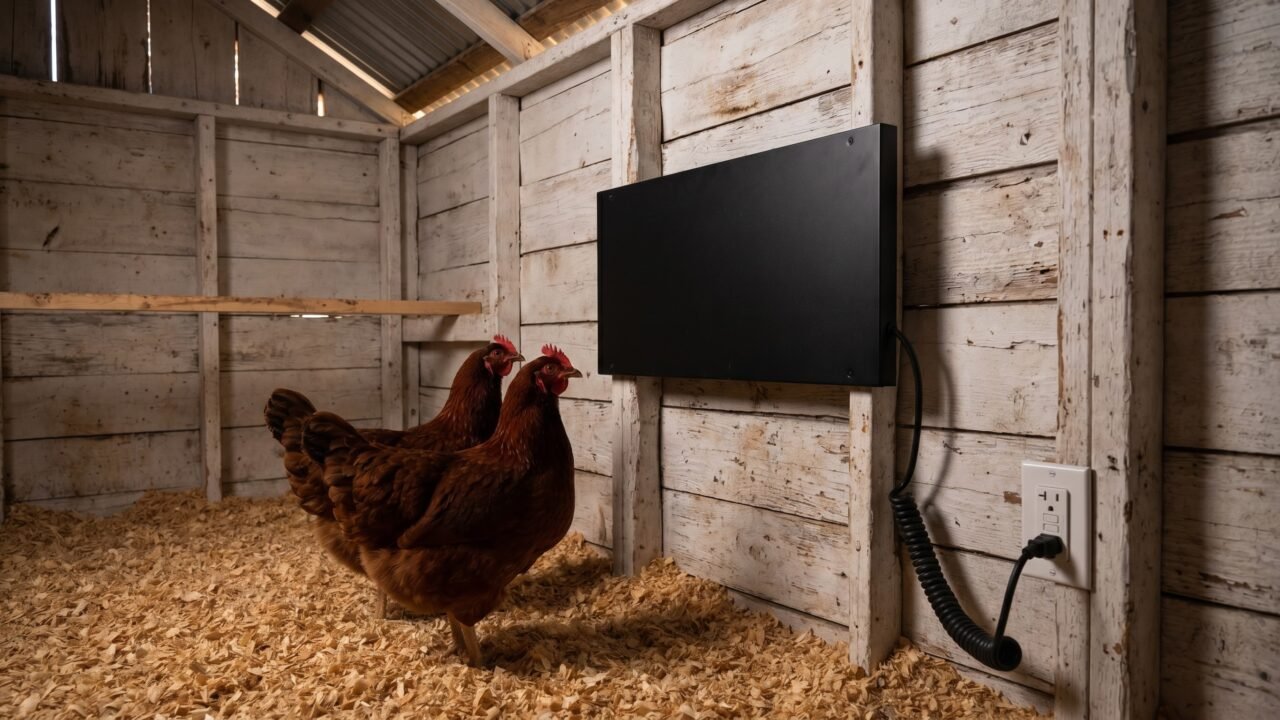
| Flat-panel radiant heater (wall-mount) | 150-200W | Warm, not hot - designed for zero clearance | Low - ETL/UL-listed models certified for clearance near combustibles | Yes - pairs with plug-in thermostat controllers | Small to medium adult flocks; bantams; sustained cold spells |
| Oil-filled radiant panel | 150-500W | Moderate | Low if wall-mounted; moderate if free-standing around birds | Built-in thermostat common | Larger coops; sustained cold |
| No heat / passive winterizing | 0W | N/A | None | N/A | Most standard-breed adult flocks |
Flat-panel radiant heaters: what to look for
Purpose-built flat-panel heaters for coops work by radiating gentle warmth from a low-surface-temperature panel mounted on a wall or ceiling. The category now includes both a purpose-built 150W flat-panel option and a 200W variant from the same manufacturer. The 150W model carries ETL-listed zero-clearance certification - meaning it is rated safe near walls and combustible materials by an independent testing lab; verify the 200W variant's current listing before assuming the same. That certification matters. A generic space heater does not carry it.
Key things to check on any flat-panel coop heater:
- ETL or UL listing. An independent safety-testing certification, not just a CE mark.
- Wall or ceiling mount only. A panel on the floor of a coop is the same problem as a heat lamp - birds will knock or soil it.
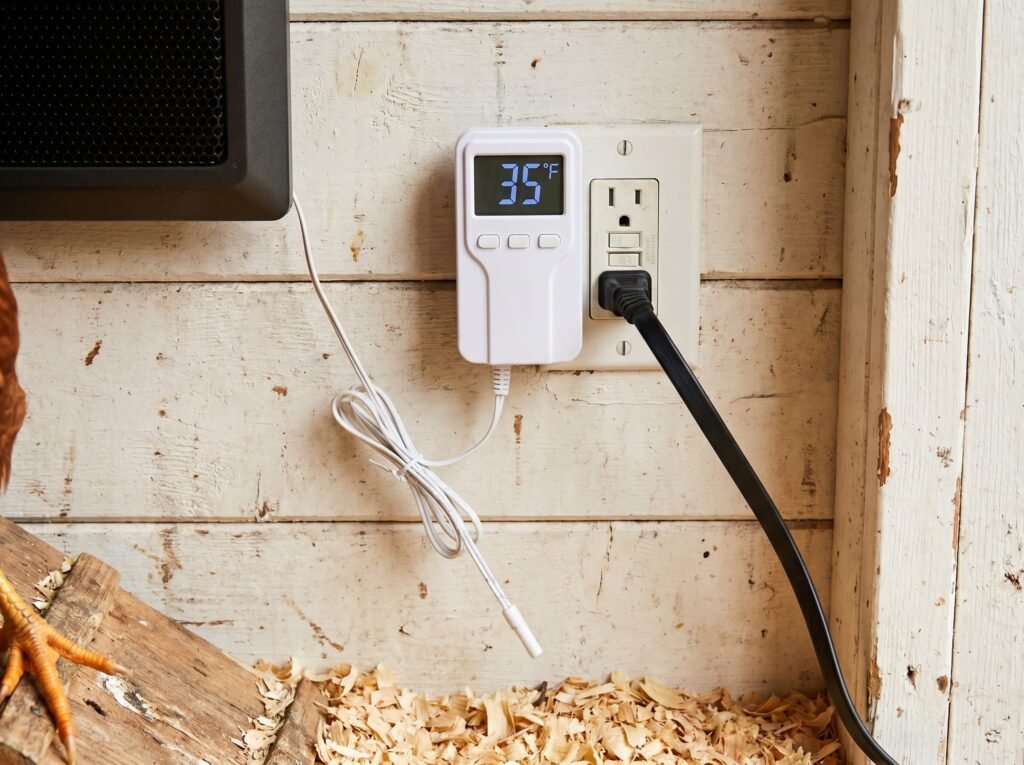
- Thermostat compatibility. The heater should work with a plug-in thermostat controller so it cycles on only when coop temperature drops below your set point, typically 35°F for standard breeds, and shuts off when it warms up. Running heat continuously wastes electricity and creates the soft-feathering dependency that makes birds less cold-hardy over time.
- Wattage appropriate to coop volume. A 150-200W panel will keep a small coop (say, a 4x6 ft enclosed space with four bantams) from dropping below freezing on a -10°F night. It will not replicate a heated room, and it should not try to.
Using a thermostat controller
A plug-in thermostat controller is an inexpensive addition (typically $25-50) that converts almost any flat-panel heater into an automatic system. You plug the heater into the controller, set a low-temperature trigger point, and the controller cuts power when the coop warms up. This does three things: it reduces electricity use significantly, it avoids overheating that stresses birds and dries out the air excessively, and it prevents the lamp-dependency problem where birds suddenly lose their supplemental heat during a spring cold snap. A thermostat is not optional if you plan to run a coop heater through a whole season.
What this means for your specific setup
Before spending anything on a heater, run through these four checks. They apply whether you have four birds or 20.
- Is the coop actually ventilated? If moisture is building overnight - condensation on walls, frost on the inside of the roof - the coop needs more air movement, not heat. Ohio State University Extension's Ohioline factsheet on winter poultry care is direct: "When blocking drafts, do not completely eliminate ventilation, but control the airflow to prevent humidity and ammonia accumulation." More on coop prep is in winterizing the coop.
- What breeds are you keeping? Standard heavy breeds - Barred Plymouth Rocks, Wyandottes, Orpingtons, Rhode Island Reds - are documented cold-weather performers. Bantams, Mediterranean breeds, and birds with large single combs are more vulnerable and are the legitimate candidates for supplemental heat.
- How many birds share the roost? A single bird or a pair in a large coop cannot generate enough shared body heat. Four or more birds on a properly sized roost bar change the math considerably.
- Are birds showing stress signs? Huddling, foot-lifting, and persistent feather-puffing after dark are your signal. Healthy birds that are just a little puffed while roosting is normal. Birds that cannot settle, that crowd excessively, or that look miserable in the morning are telling you something needs to change.
If you work through those checks and decide a heater belongs in your coop, the flat-panel radiant option with a thermostat controller is the path that keeps the fire risk low while still giving birds reliable warmth on the nights they need it.