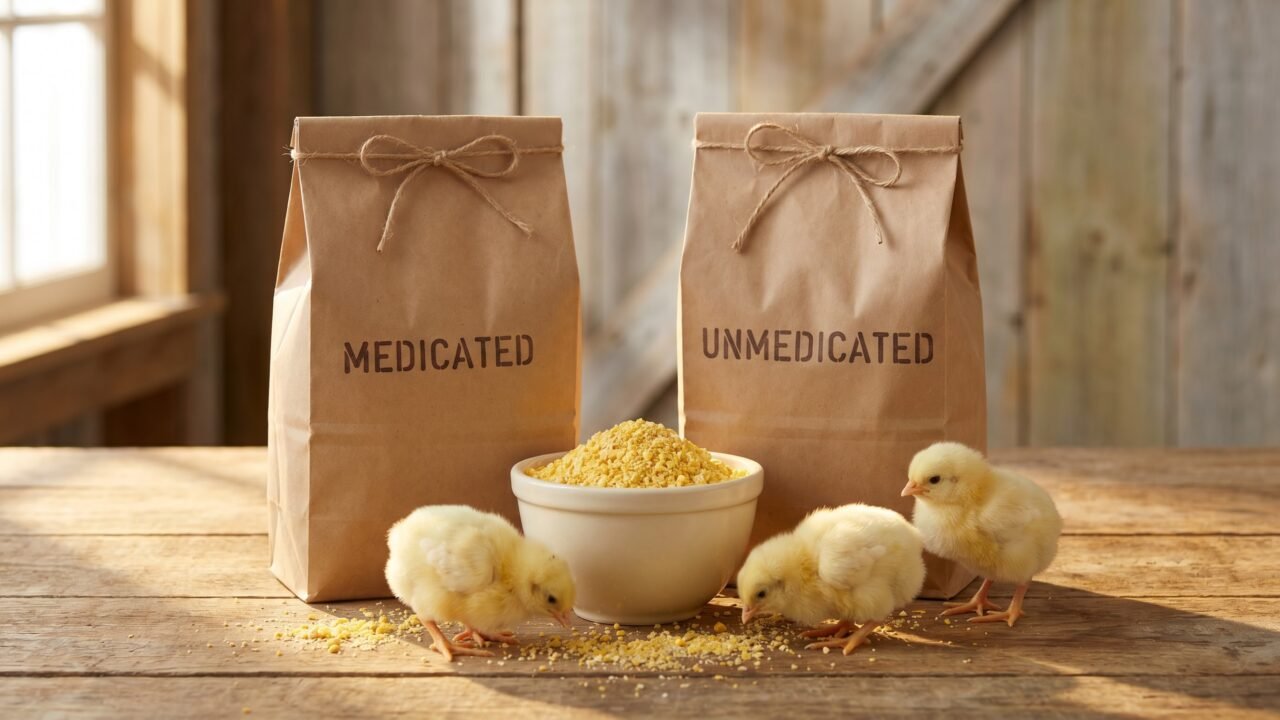
Pick up a bag of chick starter at the feed store and you'll face two stacks: medicated and unmedicated. The medicated version usually costs about the same, so the question is what it actually does, and whether your birds need it. The active ingredient in almost every medicated chick starter is amprolium, a compound that targets coccidiosis, a protozoan gut disease that is one of the leading killers of young chicks. Whether you reach for that bag depends on a few specific facts about how amprolium works, how your chicks were hatched, and what other poultry you might be keeping.
What amprolium does (and what it does not do)
Amprolium is not an antibiotic. The EFSA panel assessment puts it plainly: the compound "is not considered to have antimicrobial activity other than its anticoccidial properties," meaning it does not target bacteria, does not contribute to antimicrobial resistance, and does not require a Veterinary Feed Directive prescription; you can buy it off the shelf.
What it actually does is structural chemistry. Amprolium is built to look almost exactly like thiamine (vitamin B1). The coccidia parasite (specifically the Eimeria protozoa that tear up a chick's intestinal lining) needs thiamine to fuel the rapid cell division of its second-generation schizonts. Amprolium slips into the parasite's thiamine transport channels and blocks that uptake, preventing the formation of thiamine pyrophosphate that Eimeria depends on for metabolism. The parasite's development stalls. The chick's own thiamine transport system is far less sensitive to amprolium than the parasite's is, which is where the safety margin comes from: at standard feed concentrations of 62.5 to 125 mg per kg of feed, host birds absorb enough thiamine to function normally while the parasite cannot.
Two critical limits follow from this mechanism. First, amprolium slows coccidia, it does not eradicate them. Some parasites still cycle through. That controlled, low-level exposure is actually the whole point: it allows chicks to build natural immunity without a full-blown infection overwhelming them. Second, the compound does not treat an active outbreak at starter-feed concentrations. By the time you see bloody droppings or listless birds, the intestinal damage is already done. Amprolium in the feed is a preventive tool, not a rescue one. If your flock is showing signs of coccidiosis, call a poultry vet.
Why coccidiosis risk is highest in the brooder
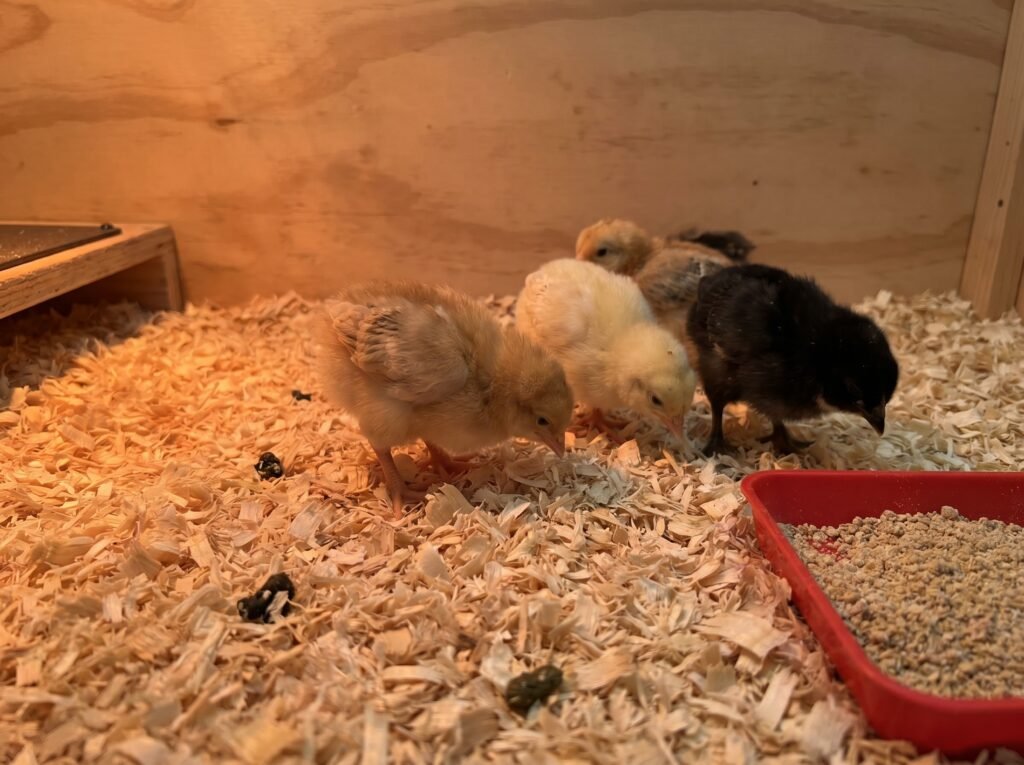
Eimeria spreads through feces. Chicks peck litter constantly, and oocysts shed in droppings sporulate quickly in warm, moist conditions, exactly what a brooder provides. Seven Eimeria species infect chickens, with E. tenella and E. necatrix being the most dangerous; E. acervulina the most common. Each targets a different segment of the intestinal tract, and a bird immune to one strain is not automatically immune to another.
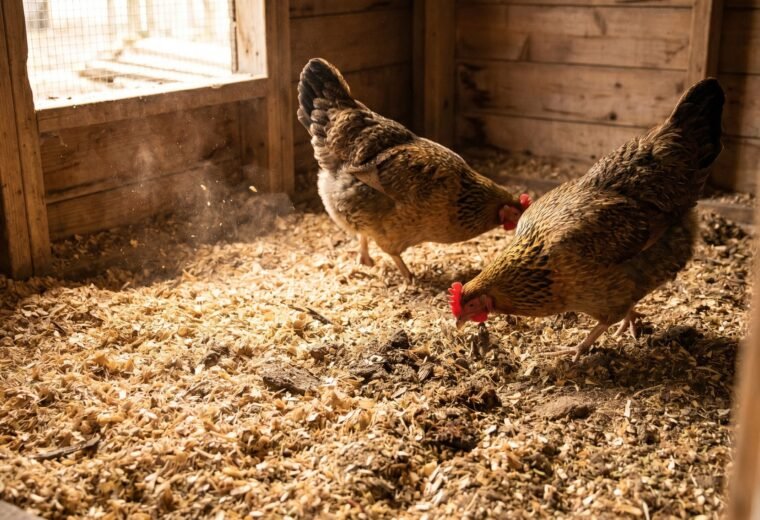
Virtually every flock raised on litter encounters coccidia to some degree (Penn State Extension's coccidiosis resources treat this as a baseline expectation for managed flocks). Wet litter is the multiplier. The density of oocysts a chick ingests depends heavily on how dry and fluffy the bedding stays, which is why deep litter management (keeping moisture down, turning the material, and replacing soaked patches) is part of coccidiosis prevention even when you do use medicated feed. Medicated starter reduces the risk; good litter management reduces it further. Neither one substitutes for the other.
Chicks are most vulnerable between about two and eight weeks of age, before their immune systems have had time to build species-specific resistance. Once a bird has cycled through enough controlled exposure, immunity becomes durable. The goal of medicated feed is to keep that exposure controlled during the window when a large challenge could kill.
When to choose medicated feed
The clearest case for medicated starter is an unvaccinated chick going onto ground, litter, or any environment where prior flocks have lived. The MSU College of Veterinary Medicine recommends starting baby chicks on medicated feed for the first six weeks, long enough for immunity to develop, short enough to avoid suppressing it.
A few situations make medicated feed especially worthwhile:
- Chicks from a hatchery that does not offer coccidiosis vaccination (or where you did not order it)
- Broods going onto soil or pasture that has hosted chickens before, where oocysts persist in the ground
- Mixed-age flocks where older birds may shed oocysts that younger chicks encounter early
- High-humidity climates or seasons where litter management is harder
- Larger starter flocks of 15 or more chicks, where a single sick bird can seed the whole brooder quickly
The standard practice of starting medicated feed from day one and running it through week six keeps the dose low enough (62.5-125 ppm) that some coccidia cycle through while blunting the worst of the challenge. That concentration range is designed for a chick's feed intake at normal growth rates, which is why consistent access to the medicated ration (rather than heavy scratch or other supplements crowding it out) matters during this period. One specific exception worth knowing: Penn State Extension notes that keepers who intentionally pursue immunity development through natural cycling - forgoing medication entirely - should not begin medicated feed in the first 14 days, because that early suppression can interfere with the natural cycling process those keepers are relying on. This applies to that alternative strategy, not to the day-one medicated protocol described here.
Check what's in the bag. A few products labeled "medicated" contain probiotics or other additives but no amprolium; they do nothing for coccidiosis. The active ingredient should say amprolium on the label, and the concentration should fall in the 62.5-125 ppm range authorized by EFSA for poultry starter feed. Higher-concentration amprolium products, such as water-soluble treatment formulations, are a separate category intended for outbreak response and require veterinary guidance.
The vaccination exception: a decision you need to know before you order chicks
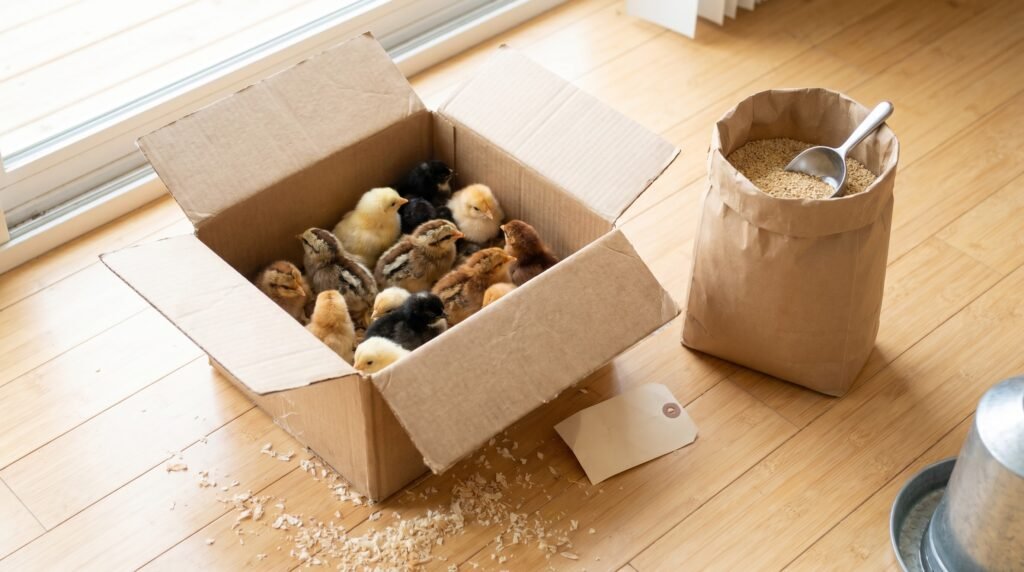
Some hatcheries vaccinate day-old chicks for coccidiosis before shipping. This vaccine consists of live, sporulated oocysts (carefully measured doses of actual Eimeria strains) introduced at hatch so the chick's immune system begins responding immediately. The approach works, but it requires the coccidia to cycle. Amprolium in the feed blocks that cycling.
Feed a vaccinated chick medicated starter and you've spent money on a vaccine that cannot do its job. Penn State Extension confirms that coccidiostats in feed can negate vaccine effectiveness by disrupting the early cycling that immunity depends on. This is not a mild concern; it is the primary reason you must ask your hatchery, before ordering, whether coccidiosis vaccination is included. Many hatcheries vaccinate automatically; others offer it as an add-on; some do not offer it at all.
If your chicks arrive vaccinated:
- Use unmedicated chick starter from day one through at least the first three weeks, ideally longer
- Focus extra effort on litter dryness and feeder/waterer hygiene so oocyst load stays manageable during the immune-building window
- Expect the vaccine to provide durable, strain-specific protection once cycling is complete, roughly by weeks four to six
Marek's disease vaccination (a different disease entirely, caused by a herpesvirus) does not interact with amprolium. The interaction described here is specific to coccidiosis vaccines only.
The table below lays out which feed to reach for depending on your situation.
| Your situation | Feed to use | Reason |
|---|---|---|
| Unvaccinated chicks, first 6 weeks | Medicated (amprolium) | Provides controlled coccidiosis suppression while immunity builds |
| Chicks vaccinated for coccidiosis at hatch | Unmedicated | Amprolium blocks the cycling the vaccine needs to stimulate immunity |
| Chicks in a clean brooder with zero prior flock history | Either; unmedicated is fine | Low oocyst pressure; risk is minimal if litter stays dry |
| Organic certification required | Unmedicated | Coccidiostats are not permitted in certified organic production |
| Ducklings or goslings in the brooder | Unmedicated (species-appropriate waterfowl starter) | See the waterfowl section below |
| Chicks older than 8 weeks | Unmedicated grower feed | Immunity is largely established; switch to correct protein level |
Switching off medicated feed
MSU's recommendation is six weeks on medicated starter, then a gradual ten-day transition to unmedicated grower. The UF/IFAS Care of Baby Chicks guide aligns with this, setting the starter window at six to eight weeks total before moving to grower feed (typically 15-18% crude protein) through 20 weeks. The gradual switch gives the immune system a brief final exposure to naturally occurring oocysts without the amprolium buffer, reinforcing the protection that built during the starter phase.
There is no withdrawal period or egg withholding time required when stopping amprolium. The FDA considers it safe for eggs and meat from birds that have consumed it at labeled feed concentrations. This is a structural distinction from antibiotics, which carry specific withholding timelines.
After the transition, week-by-week chick development tracks closely with immune maturation. By six to eight weeks, most chicks have enough species-specific immunity that a normal oocyst challenge from clean pasture or well-managed litter no longer poses the same risk it did at two weeks old. Older birds in a well-run flock handle coccidiosis exposure routinely without clinical disease.
Ducks in the brooder: a hard rule
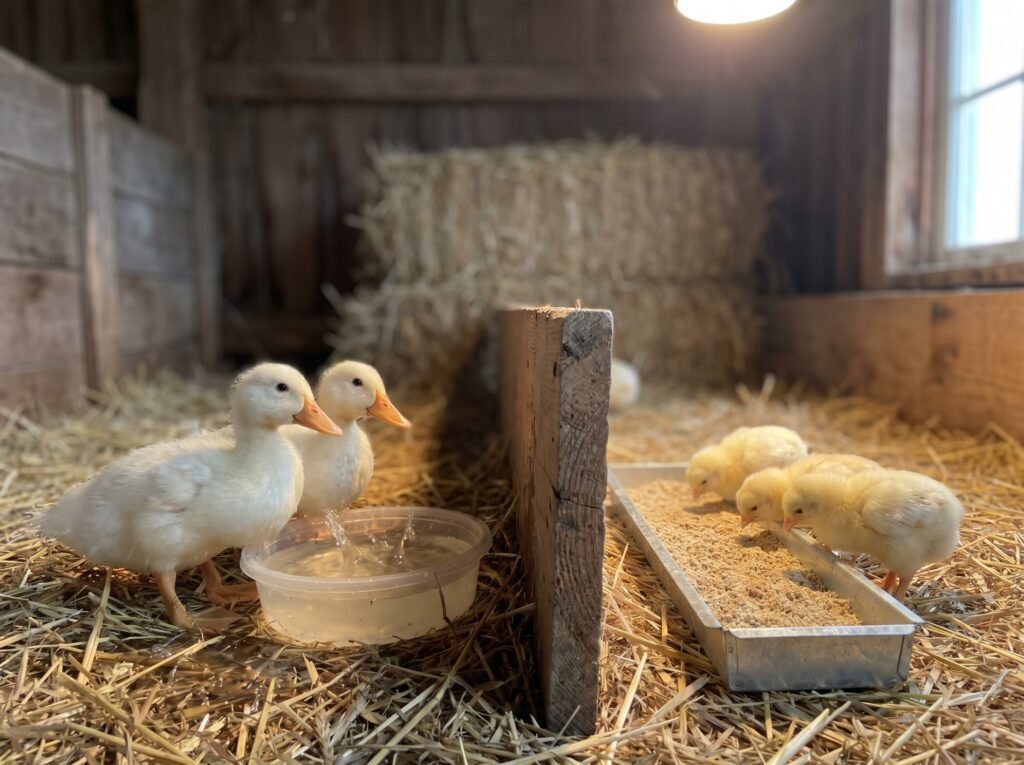
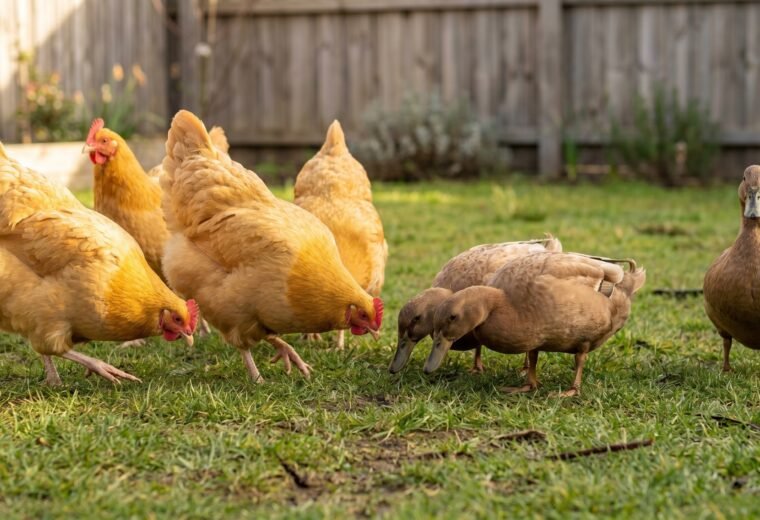
If you're brooding ducklings alongside chicks (a common setup when starting a mixed flock), do not share medicated chick starter. Feed ducklings their own unmedicated waterfowl or duck starter.
Two reasons make this non-negotiable. Ducks eat considerably more feed per day than chicks of the same age, which means their amprolium intake quickly exceeds what a chicken-sized bird would consume at the same feed concentration. Amprolium works by blocking thiamine; waterfowl consuming it at elevated intake levels are at real risk of thiamine deficiency, which presents as neurological symptoms including neck craning, loss of balance, and paralysis. Ducklings are already susceptible to thiamine deficiency from other causes, which makes compounding the risk unnecessary. The MSU guide is direct: ducks and geese do not need coccidiosis prevention the way chickens do; their immune relationship with Eimeria is different, the disease expression is less severe, and there is no benefit that offsets the thiamine risk from amprolium overconsumption.
If you're raising ducks and chickens together, more on keeping their nutritional needs compatible is in our guide to raising chickens and ducks together.
Litter management and brooder conditions: what neither feed choice fixes
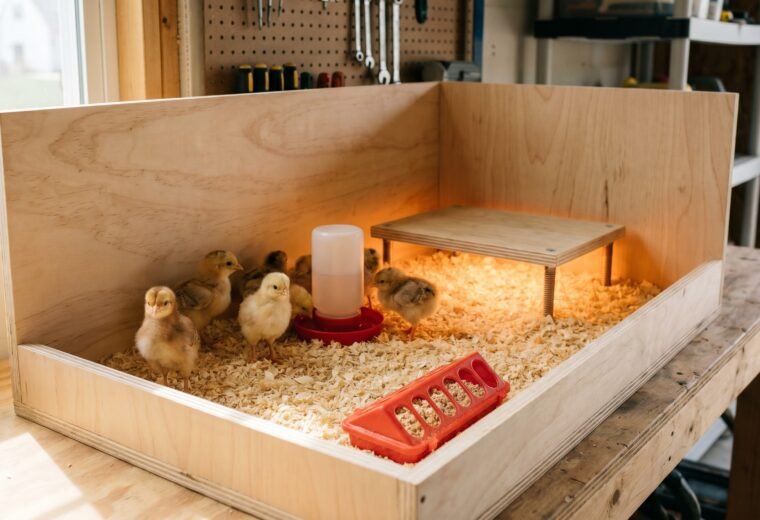
Good litter management matters regardless of which feed you choose. Keep shavings four to six inches deep, replace wet patches under the waterer promptly, and ensure your brooder has enough space that chicks are not compacting the litter with their weight. Crowding is one of the consistent risk factors for coccidiosis outbreaks even in medicated flocks. A widely-cited rule of thumb among extension services is at least half a square foot per chick in the first two weeks, expanding as they grow - exact figures vary by breed size, but the principle is the same: dense, damp litter raises oocyst pressure faster than any feed additive can offset.
Unmedicated starter should still meet the same protein and nutrient targets as medicated versions: roughly 18-20% crude protein, balanced vitamins and minerals. Our chick starter feed guide covers the full nutritional profile for the first weeks of life. For the broader picture of what chicks need from week one through their first outdoor introduction, raising chicks walks through the full brooder-to-pasture arc.